

 ChatGPT
 Perplexity
 Google AI
 Grok
Grok Claude
Quick Summary
Plywood, laminates, and hardware are the structural and surface materials inside every wardrobe, kitchen, and furniture piece in your home. Most homeowners see only the surface finish and have no visibility of what's underneath. That's where quality decisions actually live.
Key points:
- BWP (boiling waterproof) plywood is the correct specification for kitchen cabinets and any carpentry near moisture. MR (moisture resistant) is adequate for dry rooms. Commercial grade is not appropriate for anything structural in a home.
- Laminate quality determines how the furniture looks in five years, not just on day one. Thickness, finish type, and brand all affect durability. Greenlam, Merino, and Century are the reliable Indian brands.
- Hardware is where most budgets compromise and most homeowners regret it. Soft-close hinges and quality drawer channels cost more than basic fittings. They feel different every single day the furniture is used.
- The carcass (plywood) and the hardware together determine the furniture's lifespan. The laminate determines its appearance. All three matter.
- Veneer costs 40 to 80% more than laminate and looks significantly better at close range. Worth it in the living room and master bedroom. Less necessary in utility areas.
Want material selection guidance? Keep reading.
Designing a home in Bangalore? Get in touch with The Artful Abode and we'll specify the right materials for every application.
What Types of Plywood Are Used in Interior Design?
BWP Plywood
Marine Plywood
Plywood Sheets and Sizes
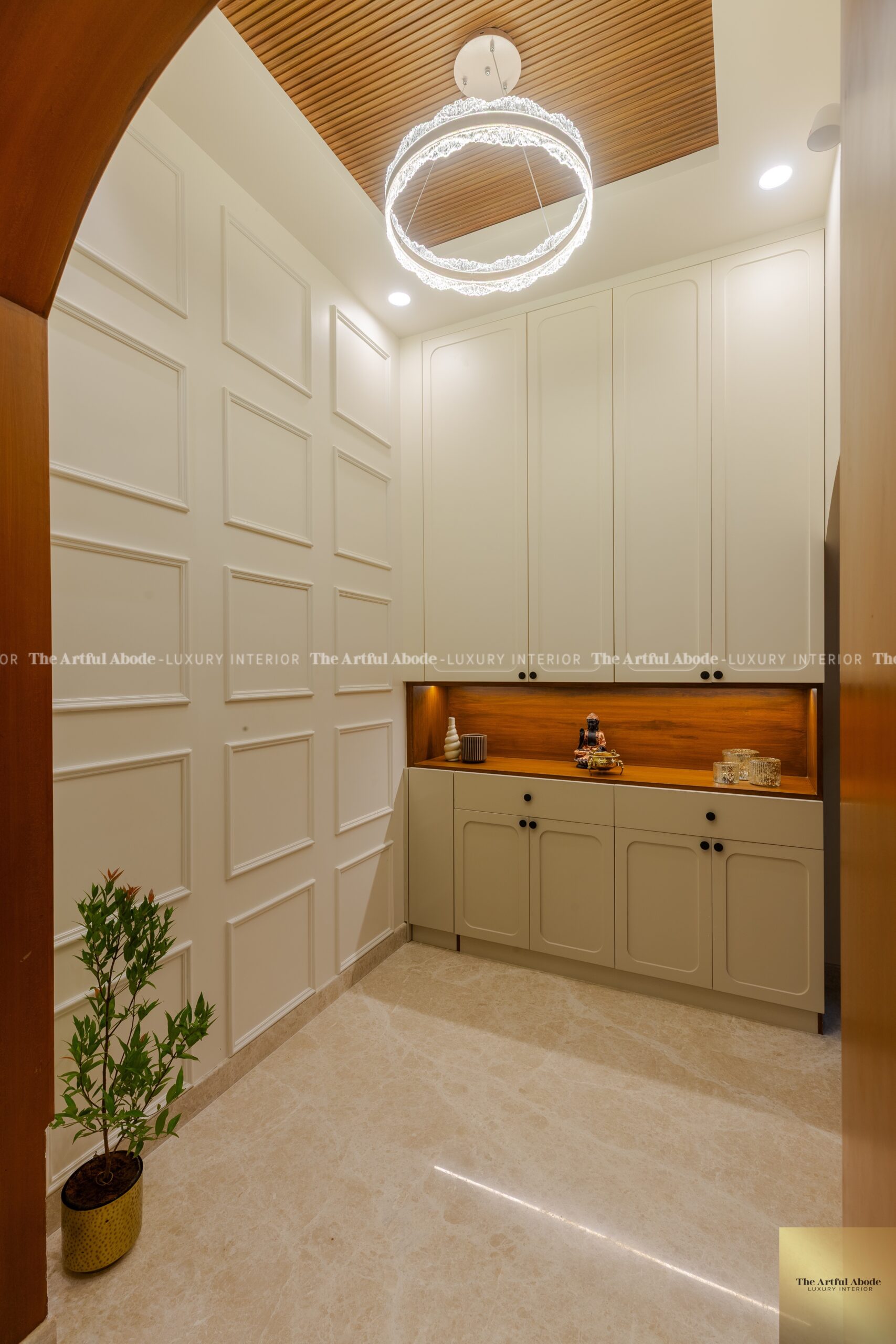
Plywood is the structural core of almost all carpentry work in Indian homes. The wardrobe carcass, the kitchen cabinet boxes, the TV unit back panel, the bed platform. The laminate or veneer on the surface gets all the attention. The plywood underneath is what determines whether the furniture holds its shape, its joints, and its door alignment in five years.
BWP (Boiling Waterproof) Plywood: the highest residential specification. Made with phenol formaldehyde adhesive that resists prolonged water exposure. Mandatory for kitchen cabinets, bathroom vanities, and any carpentry in a wet or humid zone. Greenply BWR (Boiling Water Resistant) and Century BWP are the most widely specified brands in Bangalore. Price runs Rs.90 to Rs.130 per sq ft for a 19mm sheet.
MR (Moisture Resistant) Plywood: adequate for wardrobes, TV units, and furniture in dry rooms. Made with urea formaldehyde adhesive. Handles normal ambient humidity but not direct water exposure. Using MR plywood in a kitchen is a common contractor shortcut that creates swelling and delamination within two to three years.
Marine plywood: a higher specification than even BWP, used in boatbuilding. In residential interiors it's sometimes used for bathroom flooring bases and exterior applications. Generally over-specified for standard residential carpentry. The cost premium is rarely justified in an indoor application where good BWP is adequate.
Standard plywood sheet sizes: 8 feet × 4 feet (2440 × 1220 mm) is the standard. Thickness options for interior use: 6mm for back panels, 12mm for shelving, 18mm for structural elements like cabinet sides and bottom panels. 25mm for extra-thick countertops or shelves expected to carry heavy loads.
How Much Does Plywood Cost?
Plywood Sheet Pricing and Price Per Sq Ft
Honest 2026 Bangalore market rates for an 8×4 ft sheet:
- Commercial grade (not recommended for structural use): Rs.1,200 to Rs.1,800 per sheet
- MR grade, 18mm: Rs.1,800 to Rs.2,500 per sheet
- BWP/BWR grade, 18mm, standard brand: Rs.2,800 to Rs.3,800 per sheet
- BWP grade, 18mm, premium brand (Greenply, Century): Rs.3,500 to Rs.5,000 per sheet
Per sq ft calculation: an 8×4 ft sheet is 32 sq ft. A Rs.3,500 sheet works out to Rs.110 per sq ft. In a full wardrobe using approximately 15 sheets, the plywood cost alone is around Rs.45,000 to Rs.60,000 before laminate, hardware, and labour.
Bulk vs retail: buying through a contractor or designer typically gives access to market prices rather than retail prices. The savings on a full flat's worth of plywood at market rate vs a retail timber yard can run Rs.15,000 to Rs.30,000.
Which Laminate Sheets Should You Choose?
Laminate Sheet Options and Textures
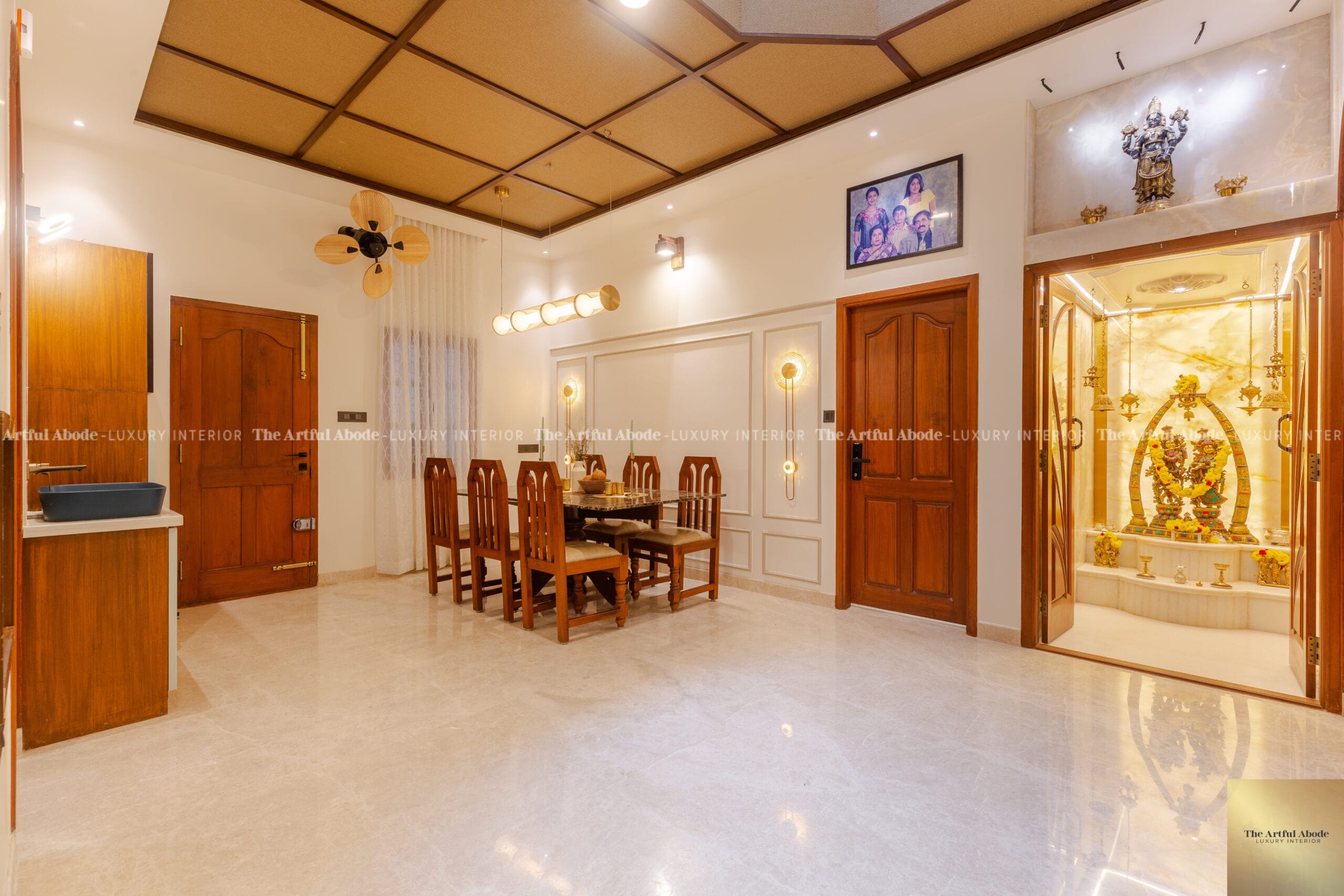
Laminate is the surface finish applied to the plywood carcass. It's what gives the wardrobe, kitchen, or furniture piece its colour, texture, and visual character. The range within laminate is wider than most homeowners realise.
Types by finish: matte laminate is the dominant choice in contemporary Bangalore interiors. It doesn't show fingerprints the way glossy finishes do. High-gloss laminate was heavily used five years ago and is now considered slightly dated. Textured laminate, wood-grain, linen-effect, concrete-effect, adds visual depth without the cost of veneer.
Thickness standards: 1mm laminate is the residential standard. 0.8mm is sometimes used but is more prone to chipping at edges. 1.5mm is occasionally specified for high-wear surfaces like kitchen countertops as a laminate option.
Brand comparison: Greenlam, Merino, Century, and Sundek are the reliable Indian manufacturers. Imported laminates from brands like Formica or Wilsonart offer wider colour ranges at a premium. For standard residential applications, Indian brands at standard grade perform identically to imports in daily use.
Laminate door designs: handle-less kitchen shutters in matte finish. Wardrobes in wood-grain laminate. TV units in a combination of matte solid colour and wood texture. These are the current mainstream combinations in Bangalore interiors. For how laminate choices apply to wardrobe design, see our wardrobe design guide. For kitchen applications, see our kitchen design guide.
Why Does Hardware Quality Matter?
Hardware is what connects every door, every drawer, and every moving part of the furniture to its frame. It's touched, opened, and closed multiple times every single day. Compromising here is compromising on the part of the furniture the household interacts with most directly.
Hinges: Hettich and Blum are the benchmark brands for concealed hinges in residential furniture. Both offer soft-close mechanisms that bring the door to a gentle stop rather than slamming. The tactile difference between a soft-close door and a basic hinge is felt every time the wardrobe or kitchen cabinet is opened. The cost premium over basic hinges is Rs.80 to Rs.150 per pair. On a wardrobe with 20 door panels, that's Rs.1,600 to Rs.3,000 extra. Worth it.
Drawer channels: full-extension soft-close drawer channels from Hettich or Ebco allow the drawer to open to its full depth and close quietly without effort. Basic channels extend to 75% and slam. In a kitchen with 10 drawers opened multiple times daily, the difference is significant in daily use and in long-term wear.
Handles and knobs: the visible hardware. Matte black and brushed brass are the current dominant choices in Bangalore interiors. Integrated handle profiles (handle-less shutters with a routed groove or a J-pull) are the contemporary kitchen standard. The handle finish should be consistent across the kitchen, the wardrobes, and the bathroom vanity if the home has a coherent material language.
Recommended brands: Hettich for hinges and drawer channels. Blum for premium drawer systems (Blum Tandembox is the benchmark for kitchen drawers). Ebco for budget-appropriate hardware that still performs adequately. Godrej for locks. Avoid unbranded hardware from small merchants regardless of the price advantage.
How to Choose Materials for Different Applications?
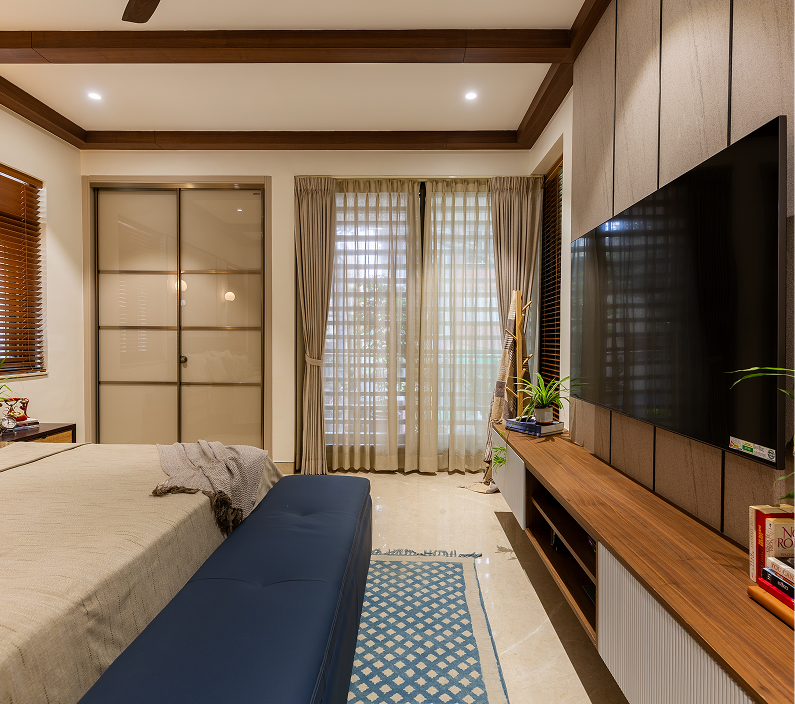
Kitchen cabinets: BWP plywood carcass mandatory. No exceptions. The kitchen generates steam, moisture, and grease over years of daily use. MR plywood in a kitchen starts to swell at the joints within two to three years. Laminate shutter on the carcass: 1mm matte or textured. Hardware: Hettich or Blum soft-close throughout.
Wardrobes: MR plywood is adequate in dry bedrooms. BWP is the safer choice in cities with high humidity. 18mm for the carcass sides, bottom, and top. 12mm for internal shelves unless they're carrying heavy loads. Laminate on the internal surfaces and shutter faces. Soft-close hinges. Full-extension drawer channels if drawers are included.
Bathroom vanities: BWP plywood or PVC board. PVC boards don't swell under water exposure and don't require sealing at edges. They're the practical specification for bathroom vanity carcasses where constant moisture exposure is guaranteed. Laminate on exposed faces, sealed edges.
Living room furniture: MR plywood adequate. The focus shifts more to the visible surface material. Veneer over laminate for the TV unit and any furniture the living room is built around. Laminate for the interior shelving and less-visible elements.
Cost Difference Between Material Grades and Common Mistakes
The cost difference between a budget and a premium material specification in a full 2BHK fit-out typically runs Rs.60,000 to Rs.1.5L. The budget option uses MR plywood throughout, standard laminate, and basic hardware. The premium option uses BWP plywood in all wet areas, quality laminate, veneer in key rooms, and Hettich or Blum hardware throughout.
The long-term value calculation: basic hardware that fails in three years requires replacement that costs more than the original premium hardware would have. Warped MR plywood in a kitchen requires full cabinet replacement rather than a repair. The apparent savings at installation often cost more than their value by year five.
Common material selection mistakes:
Using MR plywood in the kitchen. The most common and most consequential mistake in Bangalore interior projects. The saving is Rs.300 to Rs.500 per sheet. The cost of replacement cabinetry in five years is the full kitchen budget.
Compromising on hardware. Basic hinges that develop a squeak within six months, drawer channels that don't extend fully, handles that discolour quickly. These are daily irritations that a small budget increase at the start prevents entirely.
Ignoring edge banding quality. The laminate edge where the plywood is exposed needs proper edge banding to prevent moisture entry and chipping. Poorly applied or missing edge banding is where most laminate furniture starts to fail. It costs almost nothing to do properly.
Choosing laminate finish without testing it in the room. A matte white that looks warm in the showroom can read cold in the actual room under the installed lighting. Get a physical sample and place it in the room before specifying. For how these materials relate to overall project costs, see our interior design cost guide. For flooring material comparisons alongside carpentry materials, see our flooring options guide.
Designing a Home in Bangalore?
At The Artful Abode, we specify plywood grades, laminate finishes, and hardware brands for every element of your 2BHK or 3BHK interior. No shortcuts where they matter. Get in touch and let's plan yours.