


 ChatGPT
 Perplexity
 Google AI
 Grok
Grok Claude
Quick Summary
Flooring is one of the highest-impact, least-reversible decisions in a home interior. The material you choose defines the room's character, affects maintenance for years, and needs to survive Indian climate conditions that most flooring guides don't account for.
Key points:
- Vitrified tiles are the default in Indian apartments because they handle heat, humidity, and daily cleaning without compromise. They're not glamorous but they work.
- Marble is the premium choice. Italian marble costs significantly more than Indian marble and both require more maintenance than tiles. The visual reward is substantial.
- Wooden flooring faces a climate challenge in Bangalore. Engineered wood handles the humidity better than solid wood. Laminate wood is the budget alternative but doesn't last as long.
- Vinyl and SPC flooring have improved dramatically. Waterproof, comfortable underfoot, and easy to install. A strong choice for bedrooms and areas where tiles feel cold.
- Epoxy works in garages, utility areas, and commercial spaces. It's increasingly used in residential kitchens. It's not for every room.
Want detailed material breakdowns and recommendations? Keep reading.
Designing a home in Bangalore? Get in touch with The Artful Abode and we'll guide the flooring decision room by room.
What Are the Best Flooring Materials for Indian Homes?
Indian homes face a specific set of flooring conditions that most imported material guides don't address. Bangalore's climate runs warm and humid through most of the year with a pronounced monsoon. Floors are typically cleaned by mopping rather than vacuuming. Shoes come off at the door, which means the floor is in constant direct contact with bare feet. And in most Indian apartments, the floor area covers both the cooking zone and the relaxation zone without the separation a Western home might have between them.
Material suitability by room type: tiles and marble suit living rooms, kitchens, and bathrooms where durability and cleanability are the priority. Wood, vinyl, and SPC suit bedrooms where warmth underfoot and acoustic comfort are more relevant. Epoxy suits utility areas, garages, and occasionally kitchens where a seamless, chemical-resistant surface is wanted.
Climate suitability: marble stays naturally cooler underfoot in summer. Wooden flooring expands and contracts with humidity changes. Vinyl and SPC are dimensionally stable in humidity. Tiles are unaffected by climate. These practical considerations matter in Bangalore's conditions more than they would in a more temperate climate.
How Does Marble Flooring Compare to Other Options?
Italian Marble Flooring
Marble Flooring Designs
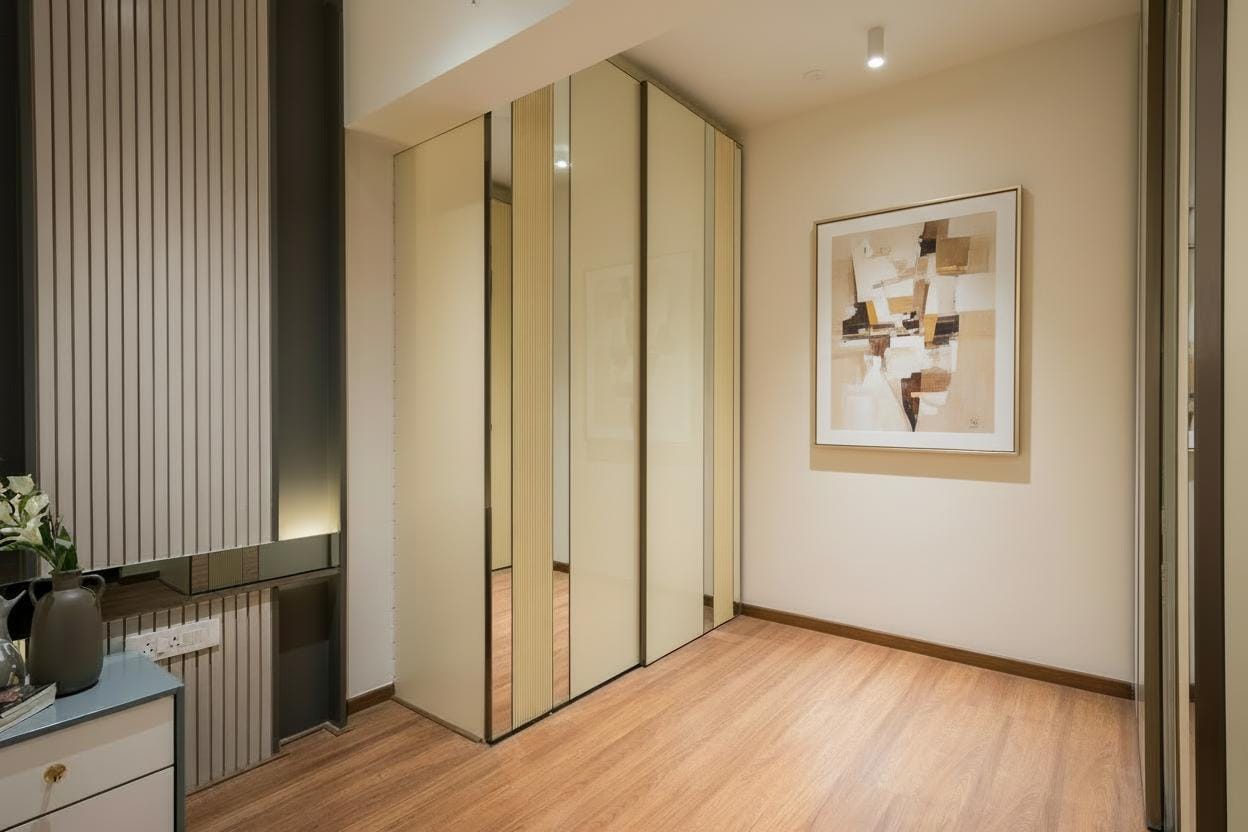
Marble is the aspirational flooring choice in Indian homes and for good reason. No other material has the same visual depth, the same ability to age beautifully, or the same coolness underfoot in summer. The trade-off is cost, maintenance, and a surface that marks from acidic spills.
Italian vs Indian marble: Italian marble, Carrara, Statuario, Calacatta, offers finer veining and a more translucent surface. It costs significantly more, runs Rs.250 to Rs.600 per sq ft for the material alone. Indian marble, Makrana, Rajnagar, Dungri, is denser, more affordable at Rs.80 to Rs.200 per sq ft, and performs well in Indian conditions. For most Bangalore living rooms, Indian marble is the practical and aesthetically sufficient choice.
Marble flooring designs: large format slabs with minimal joints. Book-matched panels where adjacent slabs mirror each other for dramatic effect. Border inlay patterns in contrasting marble. The design options are wide. The installation skill required is high. A bad marble installation is worse than a good tile installation.
Latest trends: large format marble tiles at 800x1600 mm or 1200x2400 mm. Warm-toned marbles, Crema Marfil, Botticino, over the cooler whites that dominated a few years ago. Marble used selectively on one feature floor area rather than wall to wall in every room.
Maintenance reality: marble needs sealing every 12 to 18 months. Acidic liquids, lemon juice, vinegar, cola, etch the surface if not wiped immediately. Polishing restores the surface but needs periodic professional work. In a kitchen or dining area with children, the maintenance burden is real and worth considering honestly before committing.
What Makes Wooden Flooring Popular?
Wooden Flooring Cost and Price Comparison
Wood Flooring Types
Wooden flooring adds warmth, acoustic comfort, and a visual character that tiles and marble don't have. It's the preferred bedroom flooring in most premium Bangalore apartments for these reasons. The challenge is India's climate, which puts wooden flooring under stress that it doesn't face in temperate countries.
Solid wood: beautiful, repairable, and long-lasting in the right conditions. The wrong conditions include high humidity, which causes solid wood to expand, warp, and buckle. Bangalore's monsoon season creates exactly those conditions. Solid wood flooring in a non-climate-controlled room in Bangalore is a risk. Price ranges from Rs.180 to Rs.450 per sq ft installed.
Engineered wood: a solid wood veneer layer on top of a plywood or HDF core. The core is dimensionally stable under humidity changes where solid wood isn't. The surface looks and feels identical to solid wood. It can be sanded and refinished at least once. This is the appropriate specification for Bangalore bedrooms. Price ranges from Rs.120 to Rs.280 per sq ft installed.
Laminate wood flooring: a photographic wood-effect layer on an HDF core. Not real wood but indistinguishable from a standing distance. Harder than real wood in many specifications. Cannot be sanded or refinished. Price ranges from Rs.60 to Rs.150 per sq ft installed. The budget option that performs well for 8 to 12 years before showing wear at high-traffic points.
Why Choose Vinyl and SPC Flooring?
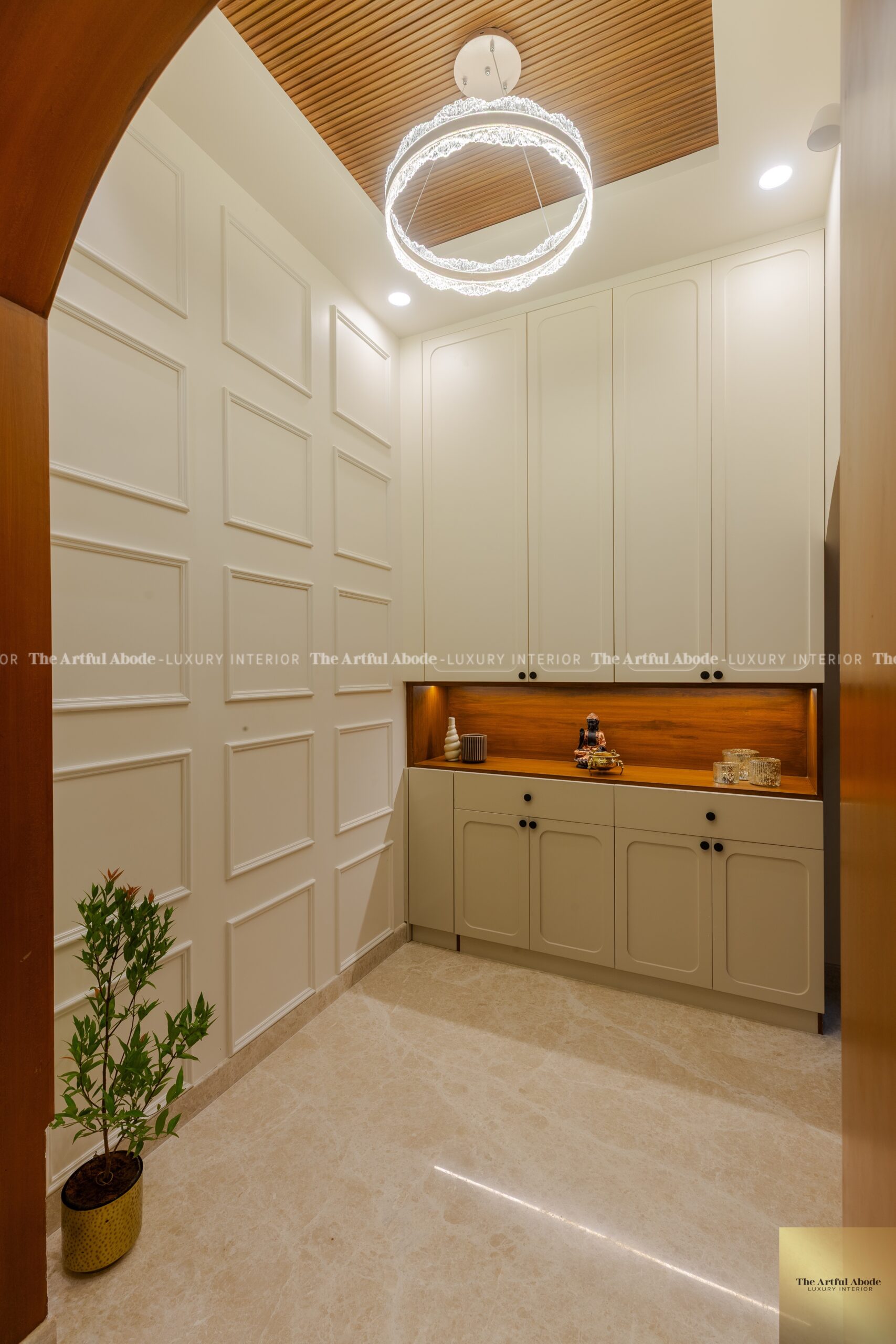
Vinyl and SPC (Stone Plastic Composite) flooring have improved significantly over the last five years. What was once a clearly budget-looking alternative to wood now looks convincingly like wood or stone at a fraction of the cost and with advantages the natural materials don't have.
SPC flooring explained: a rigid core of limestone powder and stabilisers topped with a photographic layer and a wear layer. Completely waterproof. Dimensionally stable under humidity changes. Comfortable underfoot. Resistant to dents and scratches. In Bangalore's climate conditions, SPC handles what engineered wood does with fewer maintenance concerns. Price ranges from Rs.60 to Rs.130 per sq ft installed.
LVT vs LVP: Luxury Vinyl Tile (LVT) mimics stone or tile in rectangular or square formats. Luxury Vinyl Plank (LVP) mimics wood in plank format. Both are the same product in different formats. LVP is the more popular choice in Indian bedrooms as a wood alternative. LVT suits kitchens and bathrooms where a tile look is wanted without the cold surface of real tile.
Water resistance: the defining advantage of SPC over engineered wood. In Bangalore monsoon conditions, in bathrooms, utility rooms, and anywhere moisture is present, SPC handles the exposure that wood doesn't. For bedroom flooring where warmth underfoot matters more than absolute waterproofing, engineered wood remains the premium choice. For everything else, SPC is the practical call.
For how flooring choices connect to the overall materials specification, see our plywood, laminates and hardware guide.
What Is Epoxy Flooring and Where Does It Work?
3D Epoxy Flooring Options
Epoxy flooring is a resin-based coating applied over a concrete substrate. It creates a seamless, hard, chemical-resistant surface. In residential applications, it's most relevant for garages, utility rooms, and occasionally kitchens where a seamless surface is wanted without the grout lines of tile.
Industrial vs residential specification: industrial epoxy is applied thick and pigmented for durability in heavy-use environments. Residential epoxy is thinner, available in a wider range of finishes, and requires more careful surface preparation. A residential epoxy kitchen floor that's installed without proper surface prep and primer will peel within months.
3D epoxy flooring uses a printed base layer below the epoxy topcoat to create a three-dimensional visual effect. Photorealistic images, ocean effects, geometric patterns. The technique requires specialist installation. In residential use, it's primarily a statement floor for one feature area rather than a whole-home specification. Cost typically runs Rs.150 to Rs.400 per sq ft for residential 3D epoxy.
Best use cases in Indian homes: garage floor, utility room or washing area, a feature floor section in a contemporary kitchen. Not suited to bedrooms where the hard, cold surface and the industrial aesthetic work against the room's purpose.
Which Flooring Tiles Are Best?
Flooring Tiles Design Options
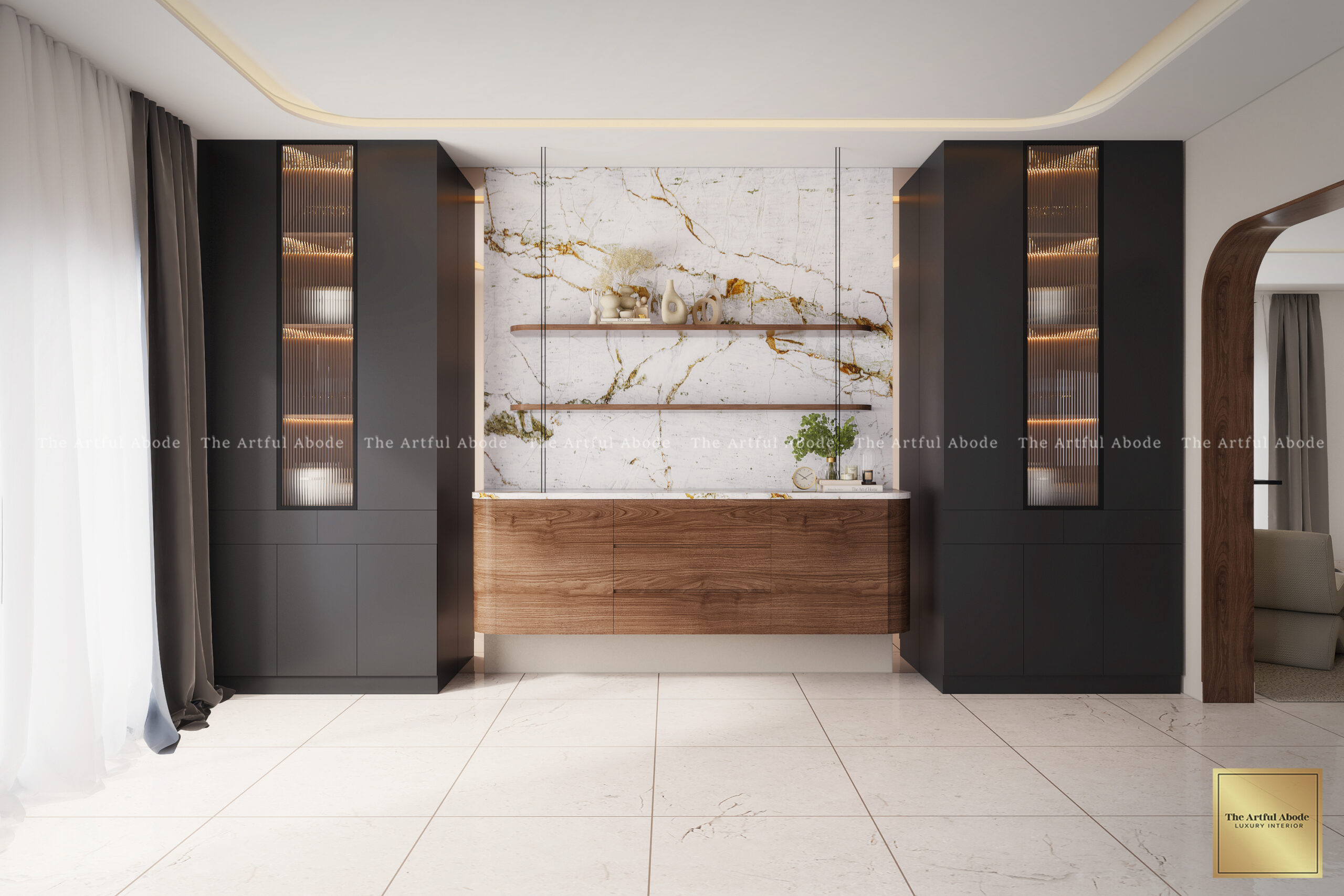
Vitrified tiles dominate Indian apartment flooring because they handle the climate, the cleaning method, and the daily traffic without drama. Porcelain vitrified tiles are the most durable residential specification. Ceramic tiles are less dense, absorb more moisture, and suit wall applications more than floor ones.
Size matters: large-format tiles at 800x800 mm, 600x1200 mm, or 800x1600 mm reduce the number of grout lines. Fewer grout lines mean easier cleaning and a more continuous visual surface. In compact rooms, large-format tiles make the space feel larger rather than tiling it from a smaller scale.
Design options: marble-effect vitrified tiles give the marble look with tile durability and maintenance. Concrete-effect tiles suit contemporary and minimalist interiors. Wood-effect vitrified tiles are an alternative to actual wood in kitchens and wet areas. Pattern tiles, Moroccan, geometric, terrazzo-effect, suit feature areas like a foyer or a bathroom floor.
Laminate and parquet: laminate flooring is the engineered wood alternative at lower cost. Parquet flooring, small wood blocks arranged in geometric patterns, is a traditional wood floor format experiencing a revival in contemporary interiors. Both suit bedrooms. Neither suits wet areas. For overall material budgeting alongside flooring, see our interior design cost guide.
Flooring Cost Comparison and Common Mistakes
Honest 2026 price ranges per sq ft installed in Bangalore:
- Standard vitrified tiles: Rs.55 to Rs.120
- Premium large-format vitrified tiles: Rs.100 to Rs.220
- Indian marble: Rs.150 to Rs.320
- Italian marble: Rs.350 to Rs.750
- Engineered wood: Rs.120 to Rs.280
- Laminate wood: Rs.60 to Rs.150
- SPC / Vinyl: Rs.60 to Rs.130
- Epoxy (residential): Rs.90 to Rs.250
Common flooring mistakes to avoid:
Using solid wood in non-climate-controlled rooms. Bangalore's humidity will cause it to expand, contract, and eventually warp. Engineered wood or SPC is the appropriate choice for bedrooms without air conditioning that runs continuously.
Skipping underlayment on floating floors. Laminate, SPC, and engineered wood need a quality underlayment for acoustic comfort, moisture barrier, and dimensional stability. The underlayment cost is minimal relative to the flooring cost. Skipping it shortens the floor's effective life.
Wrong tile choice for wet areas. Polished vitrified tiles on a bathroom floor become dangerously slippery when wet. Anti-slip tiles for any floor that gets water on it. The aesthetic difference between polished and anti-slip is minimal. The safety difference is significant.
Poor installation. A beautiful material installed poorly looks worse than a basic material installed well. The installer's skill and the quality of the adhesive and grout specification matter as much as the tile or board specification. For how flooring fits into the overall 2BHK or 3BHK project, see our 2BHK interior design guide or 3BHK interior design guide.
Designing a Home in Bangalore?
At The Artful Abode, we guide flooring decisions room by room across 2BHK and 3BHK apartments in Bangalore. Get in touch and let's plan the right material for every room.