


 ChatGPT
 Perplexity
 Google AI
 Grok
Grok Claude
Your home affects your mind more than you realise. The colours on your walls, how light comes in through your windows, even where the furniture sits — all of it quietly shapes your mood, stress levels, and sleep. A client's anxiety genuinely improved after we redesigned her bedroom with calming colours and better light control. Another found focus once we sorted out his chaotic home office. This is not soft stuff. The research backs it up.
Quick Summary
- Colour psychology is real — blues and greens lower blood pressure. Too much grey in low-light rooms can trigger flat, empty moods.
- Natural light regulates your circadian rhythm. Without enough of it, sleep and energy both suffer.
- Princeton researchers found physical clutter measurably reduces cognitive performance and increases anxiety
- University of Exeter found plants in a workspace increased productivity by 15%
- Acoustic design — almost nobody thinks about this during renovations — keeps your nervous system on low-level alert even when you are not consciously noticing noise
- Personalisation matters more than aesthetics. Generic spaces look good and feel empty.
Keep reading for the full breakdown.
Colour Psychology: Your Silent Mood Setter
Walk into a red room and your heart rate actually increases. Step into soft blue and your body relaxes. This is not design theory — it is physiology.
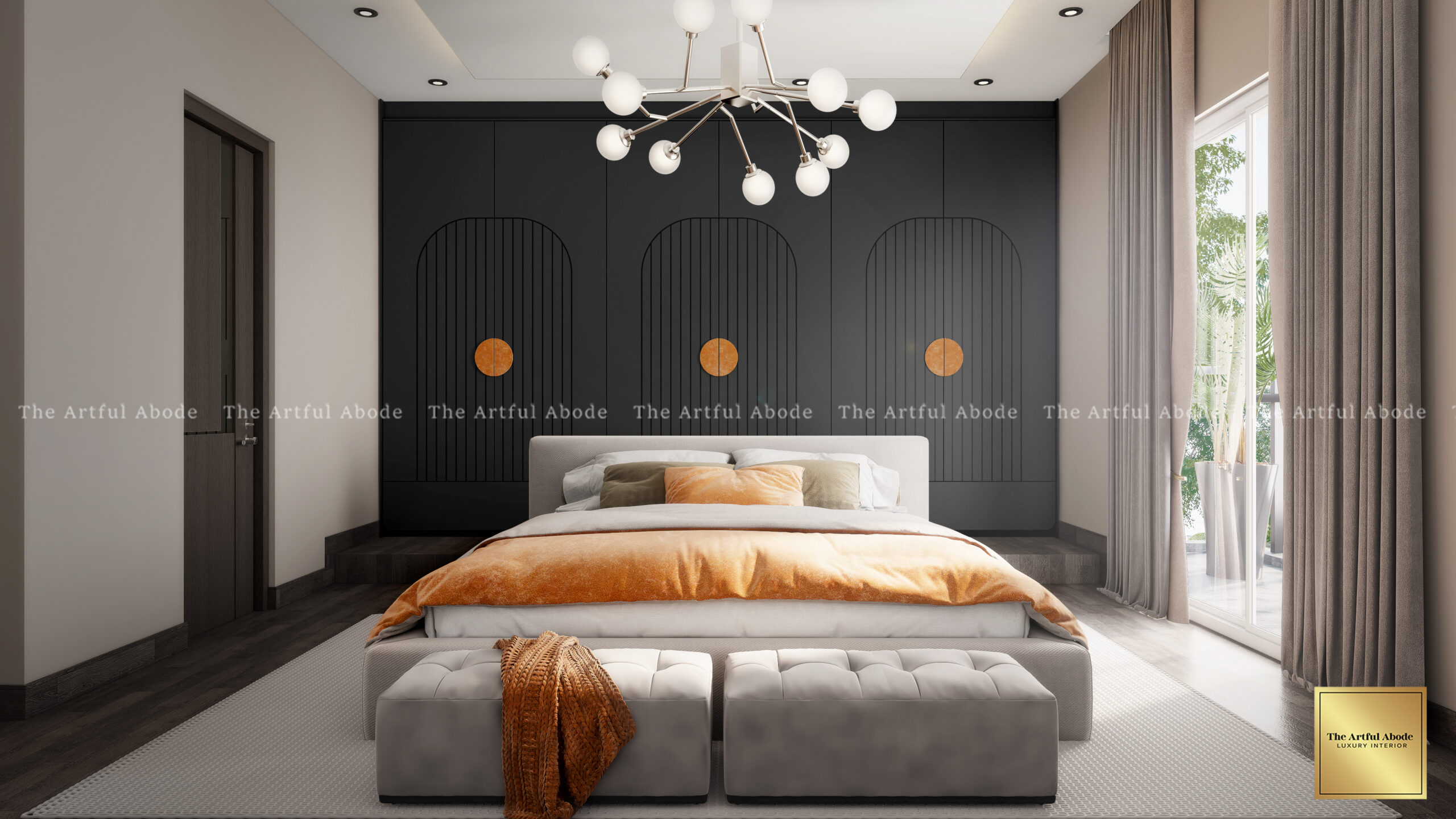
Blues and greens genuinely lower blood pressure. They work in bedrooms because the body responds to them even when you are not consciously aware of the colour. Warm yellows lift spirits and get people talking — which is why they work well in kitchens and dining rooms. Excessive grey, particularly in rooms with limited natural light, can produce the kind of flat, empty feeling that is hard to shake.
Most people pick colours based on what is trending, not on how they want to feel in the room. If you are already high-energy and struggle to wind down at night, saturated reds in the bedroom will make that worse. We have watched it happen.
One thing we always insist on: test colours in your actual space at different times of day. That calming sage everyone loves? In a north-facing room with limited light, it can look institutional. The showroom is not your home.
Natural Light: What Your Brain Actually Needs
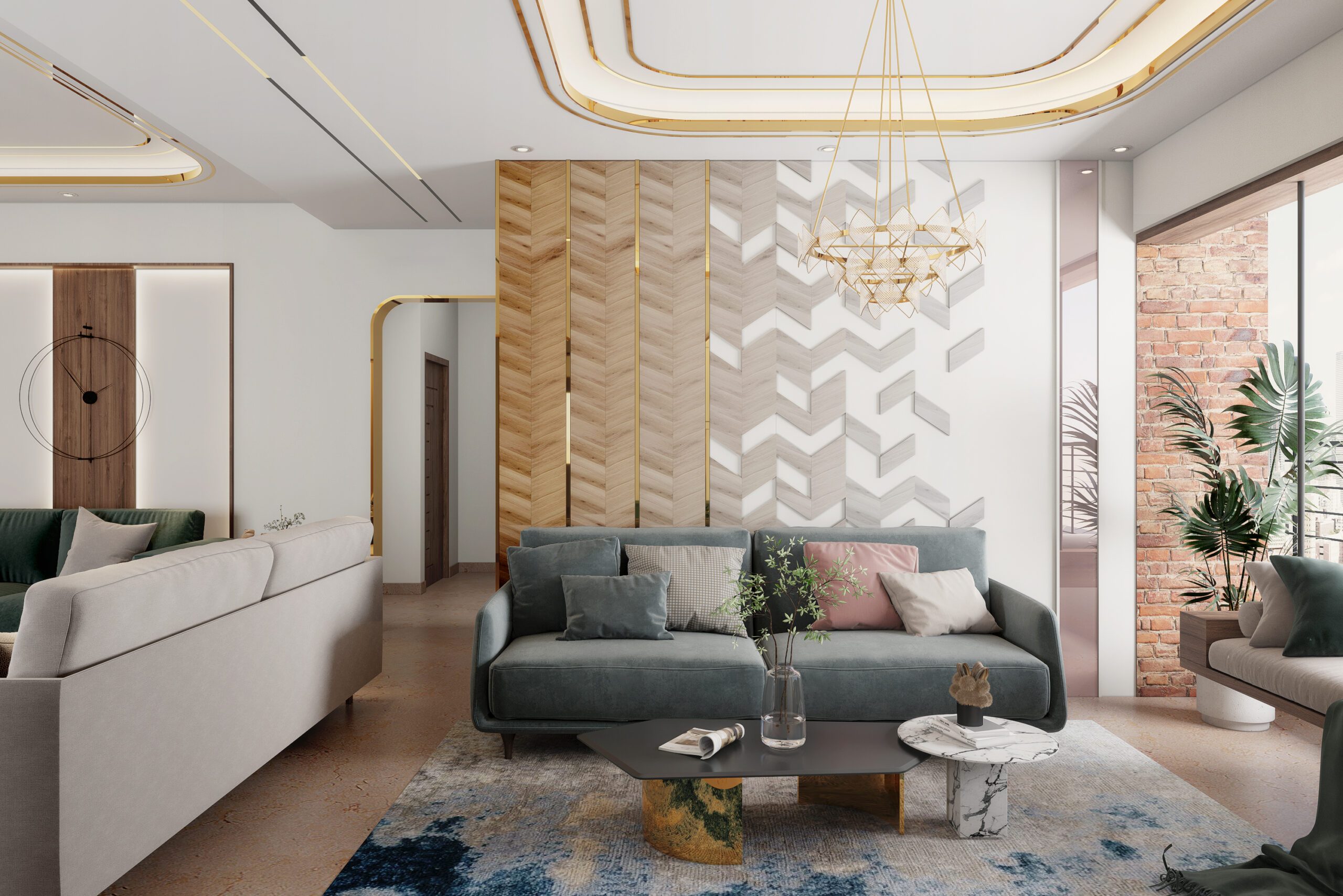
Homes with good natural light sell for more. There is a reason.
Your circadian rhythm — the internal clock that governs sleep, energy, and mood — depends on natural light to function properly. Without adequate daylight exposure, the downstream effects are real: poor sleep quality, mood instability, low energy. In sustained cases, symptoms that mirror seasonal depression.
Strategic mirror placement bounces light deeper into rooms. Light-coloured walls near windows amplify what you have. When daylight is genuinely scarce, you need to be intentional about artificial lighting. Warm bulbs around 2700K to 3000K in the evenings support sleep. Cooler ones around 4000K during working hours keep you alert and focused.
We installed tunable LEDs for a tech executive in Whitefield that adjust colour temperature automatically throughout the day. His feedback after a month: better sleep, sharper focus at work, noticeably better mood. Not because of expensive materials. Because of smarter lighting decisions.
For a detailed breakdown of layered lighting, see our interior design lighting guide.
Clutter and Mental Clarity
Visual clutter is constantly competing for your attention. It creates background stress that builds gradually and invisibly. Princeton University researchers demonstrated this directly: physical mess measurably reduces cognitive performance and increases anxiety. It is not a subjective feeling.
Minimalism is not about having nothing. It is about being intentional. Does each item serve a purpose or bring genuine meaning? If not, why is it in your visual field?
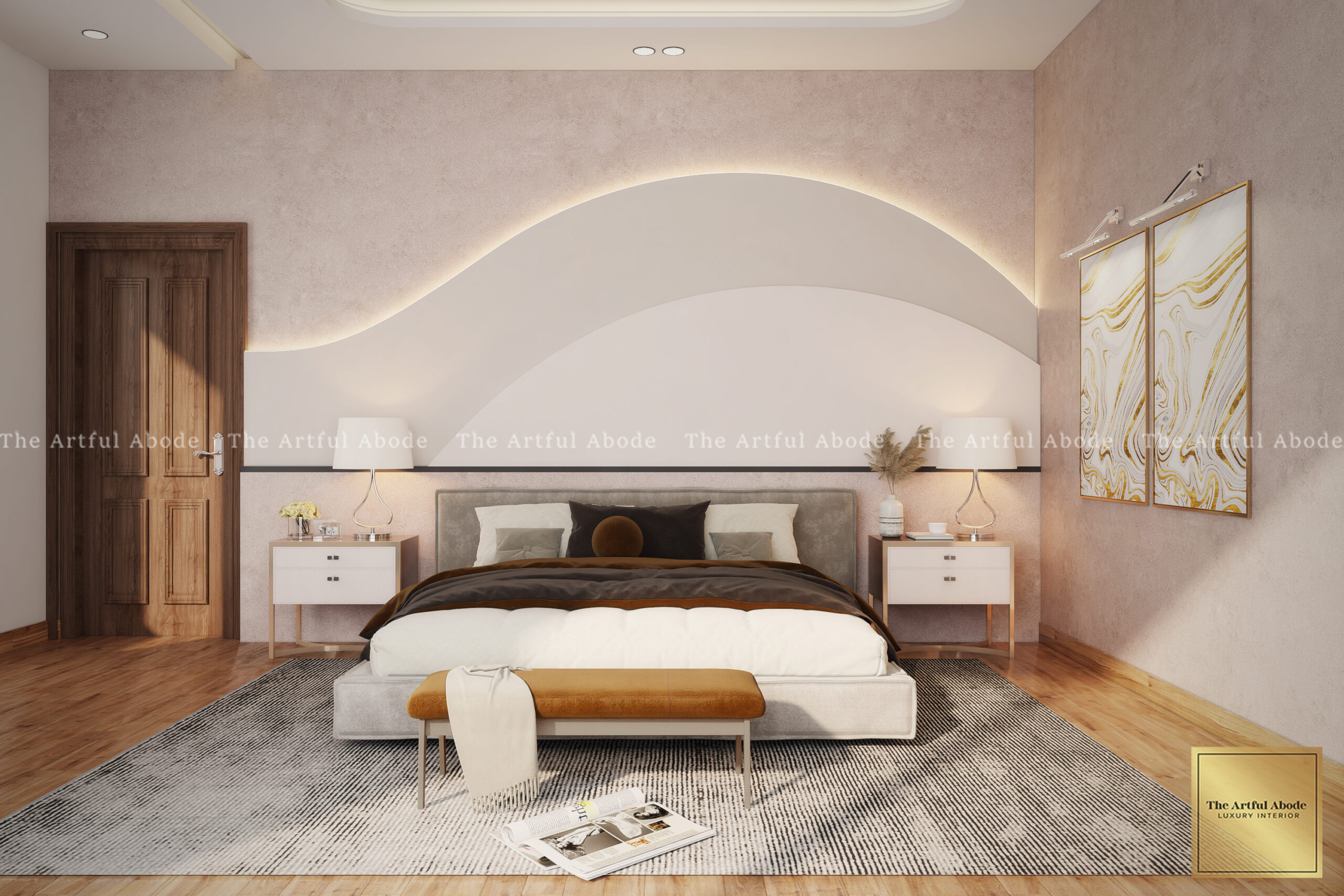
Smart storage is the practical answer. Custom wardrobes where everything has a designated place. Hidden compartments for daily items. When everything has a home, your brain stops burning background energy managing the visual noise — and you feel the difference immediately.
Thinking about designing a space that actively supports your wellbeing? The Artful Abode works with homeowners across Bangalore to get this right.
Book a Free ConsultationBiophilic Design: Bringing Nature Indoors
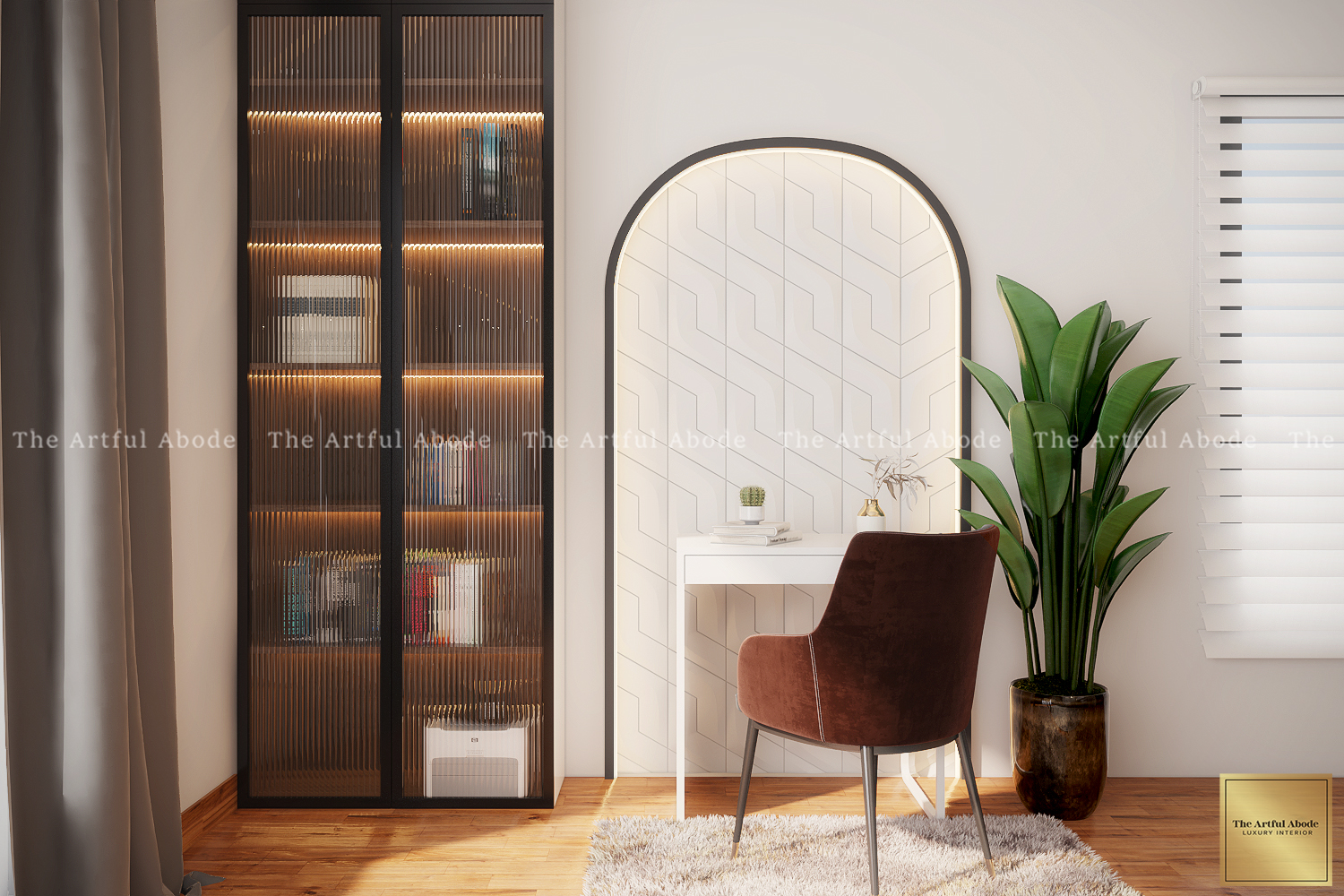
Our brains are wired to respond to natural environments. University of Exeter research found that adding plants to an office increased productivity by 15%. That is not a marginal difference.
But biophilic design is not just plants on shelves. Natural materials — wood, stone, organic textiles — create warmth that synthetic alternatives cannot replicate. The texture of raw wood under your hand. The coolness of stone. These sensory experiences ground us in ways that screens and plastics simply do not.
For a bedroom in Koramangala, we added vertical planters and a small water feature. The client reported noticeably better sleep within a week. Water features, nature views, even nature-inspired art trigger similar psychological responses. And you do not need a large budget — one natural material used well brings the principle in.
For more on biophilic principles in Indian homes, see our interior design trends guide.
Spatial Layout: How Room Flow Affects Your Mind
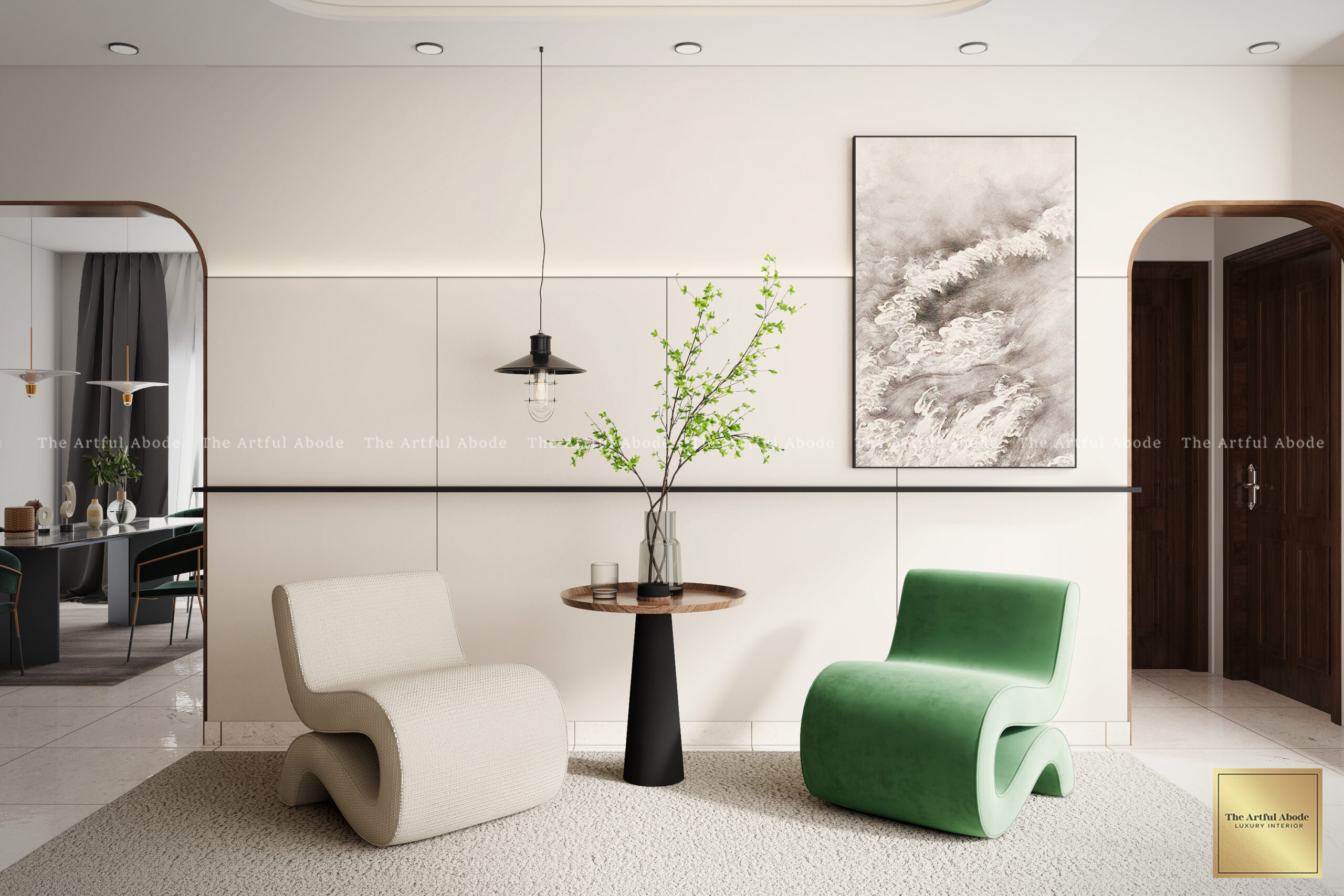
Cramped, maze-like layouts are stressful. Open, intuitive flow is calming. The connection between how a space is configured and how you feel in it is direct.
Good space planning is not just about aesthetics. Can you move easily through the room? Are the things you reach for most frequently accessible without effort? Or are you constantly navigating around furniture you have stopped consciously noticing?
We removed a partial wall between the kitchen and living room in an HSR Layout 2BHK. Not a massive renovation. But the family naturally started spending more time together rather than existing in separate closed-off zones. Design changed behaviour without anyone consciously deciding to change.
Privacy matters equally. Everyone needs spaces to retreat and just exist. Bedrooms should feel genuinely separate from social areas. Home offices need real psychological boundaries between work and rest — boundaries that open-plan layouts often eliminate without anyone realising what was lost.
Personalisation and Acoustic Design

Personalisation: Your Space Should Tell Your Story
Generic spaces photograph beautifully and rarely support wellbeing. Photographs of people you love, meaningful objects, things from significant experiences — these create identity and belonging. They remind you of good memories and important relationships. They make a space feel inhabited rather than staged.
Balance is everything. We create dedicated display areas for collections — travel pieces, family objects, whatever tells your story — so they become focal points rather than background noise. Too many objects of equal weight tips into clutter. Curated is the key word.
Acoustic Design: The Overlooked Factor
Noise contributes to stress in ways most people never consider during a renovation. Constant background noise — traffic, neighbours, construction — keeps your nervous system on low-level alert even when you are not consciously registering it. The result is fatigue that is hard to attribute to a specific cause.
Heavy curtains, rugs, and upholstered furniture all absorb sound. Acoustic panels can be disguised as artwork. Bookshelves act as sound buffers. Bedrooms in particular benefit from acoustic treatment. Even low-level noise disrupts sleep cycles without waking you — and you wake exhausted without understanding why.
Final Thought
Stress that will not lift. Sleep that does not restore. A vague unease at home you cannot quite name. Sometimes it is not you. It is your space working against you.
Your home is either actively supporting your mental health or quietly undermining it. The good news is the changes that make the biggest difference are often not the expensive ones. They are the thoughtful ones.
The Artful Abode designs homes across Bangalore — Whitefield, Koramangala, HSR Layout, Indiranagar, and surrounding areas — with wellbeing as a design principle, not an afterthought. Book a free consultation to talk about your space.