


 ChatGPT
 Perplexity
 Google AI
 Grok
Grok Claude
You are scrolling through design photos and one stops you. The sofa is nice. The paint colour is fine. But something else grabbed your attention and you cannot quite name what it is. It is the light. The way it pools in corners, wraps around furniture, creates a mood. Most homeowners treat lighting as an afterthought — after sofas, after paint, sometimes after wall art. That is the single most common reason a well-funded renovation still feels flat. I have seen Rs.40 lakh projects that felt ordinary because the lighting was wrong, and much more modest ones that felt genuinely luxurious because it was right.
Quick Summary
- One ceiling light per room is never enough. Use three layers: ambient, task, and accent
- Indirect lighting — hiding the source and bouncing it off surfaces — is what makes spaces feel expensive
- Warm white (2700K to 3000K) for living spaces and bedrooms. Cooler (4000K) for kitchens and home offices
- A Bangalore 3BHK living room typically needs 5 to 7 light sources on dimmers
- Skipping dimmers to save Rs.3,000 is a decision you will regret every day
- Smart lighting adds 8 to 12% to a lighting budget and is worth it for projects above Rs.25 lakhs
Keep reading for the full breakdown.
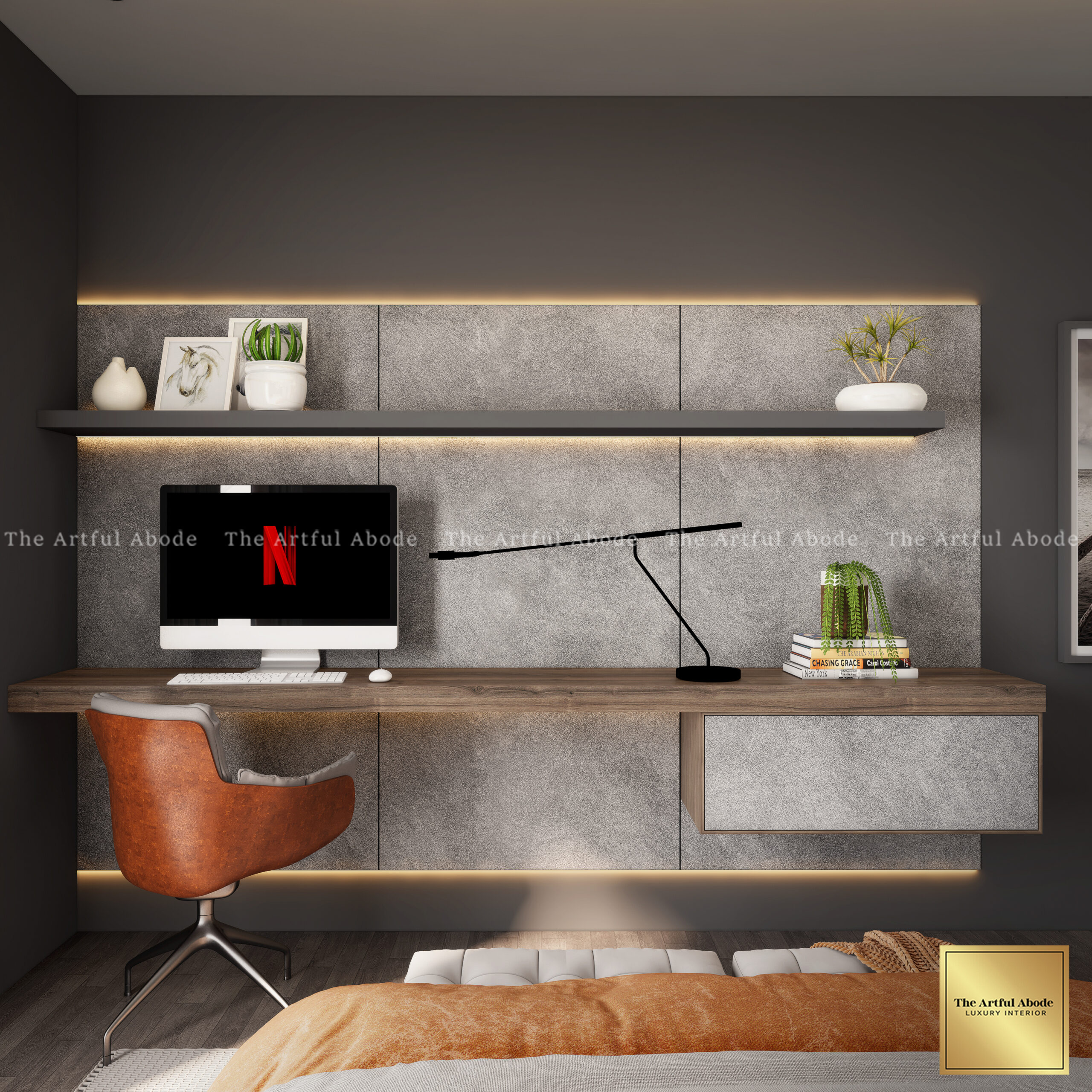
Picture the typical renovation timeline. Weeks spent comparing sofas. Paint colours become a whole saga. Hours on marble samples for the kitchen. Then it is time for the electrical work and everyone wants to wrap up. Contractor is pushing deadlines. You are exhausted from decisions. A couple of ceiling fixtures go in, some downlights. Done.
The result: a flat space. Overhead lights casting shadows in the wrong places. A gorgeous textured wall you stressed over looks completely bland. The room works during the day and dies at night.
Lighting is not a finishing touch. It is infrastructure. It needs to be designed before furniture is ordered and before ceiling work is done. By the time most clients are thinking about it, the ceiling is already closed.
The good news: the three-layer approach is simple once you understand it. And adding it to a project costs far less than the difference it makes.
Colour Temperature: The Decision Nobody Talks About
Before the three layers, this decision has to be made. Colour temperature determines whether your room feels like a home or a hospital. It is measured in Kelvin and it is the single most impactful lighting specification you will make.
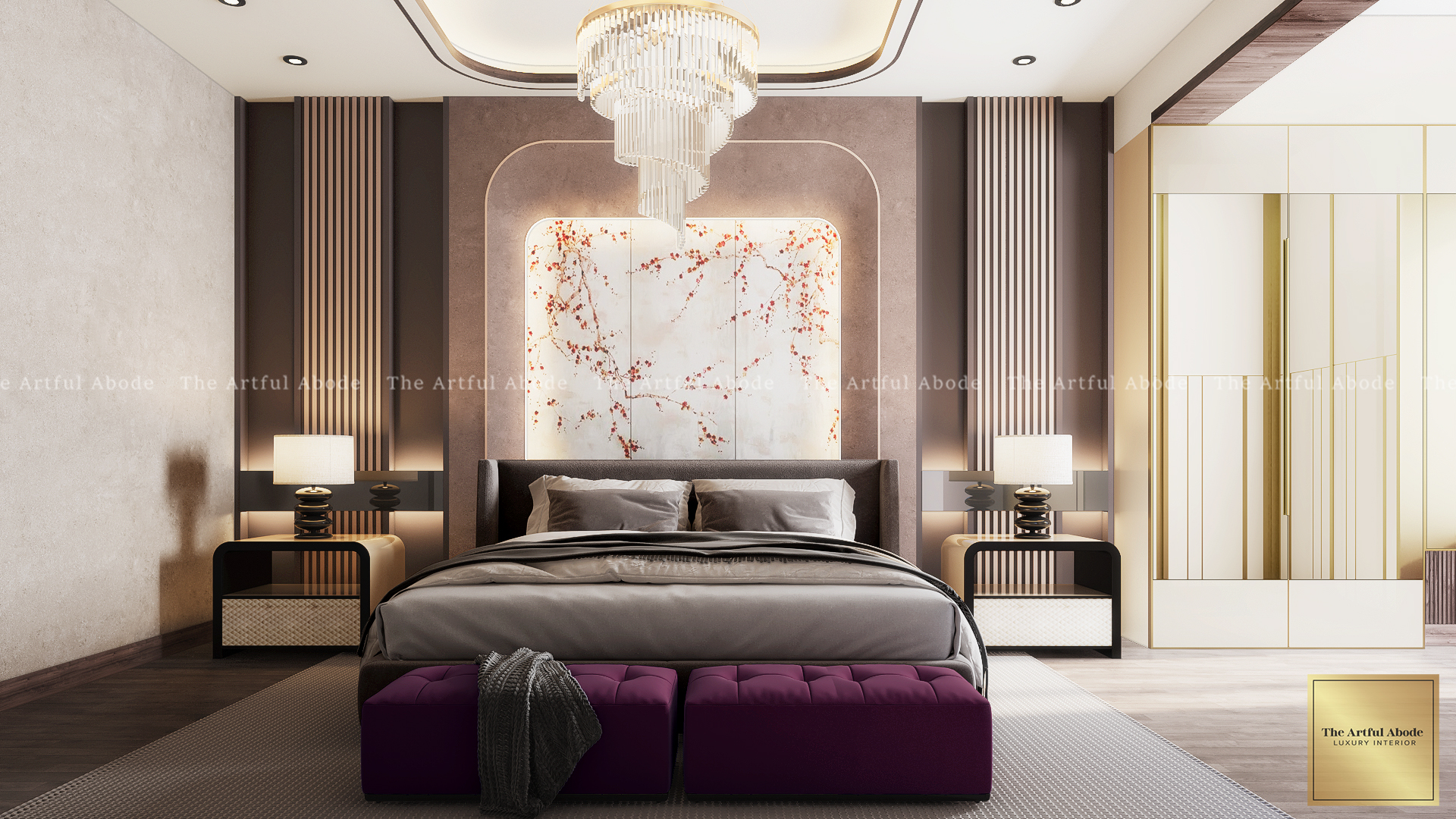
Ambient lighting is your base layer — the general illumination that lets you move through a room comfortably. Most people stop here and then wonder why the room does not feel right.
For a living room in a typical Bangalore 3BHK, you need multiple ambient sources: ceiling fixtures, wall sconces, cove lights along the ceiling perimeter, possibly backlit panels. This creates even illumination that feels natural rather than clinical.
Colour temperature matters more than most people realise. Warm white at 2700K to 3000K makes spaces feel inviting and human. Cool white above 4000K can make even expensive materials look institutional. Nobody wants their living room feeling like a government office — and yet that is exactly how most Indian apartments are lit.
The thing nobody talks about enough: indirect lighting. Hiding the source and bouncing light off surfaces. LED strips behind headboards, cove lighting washing up onto ceilings, backlit bathroom mirrors. Direct lighting illuminates. Indirect lighting creates mood. That is the difference between a room that looks expensive and one that just has expensive things in it.
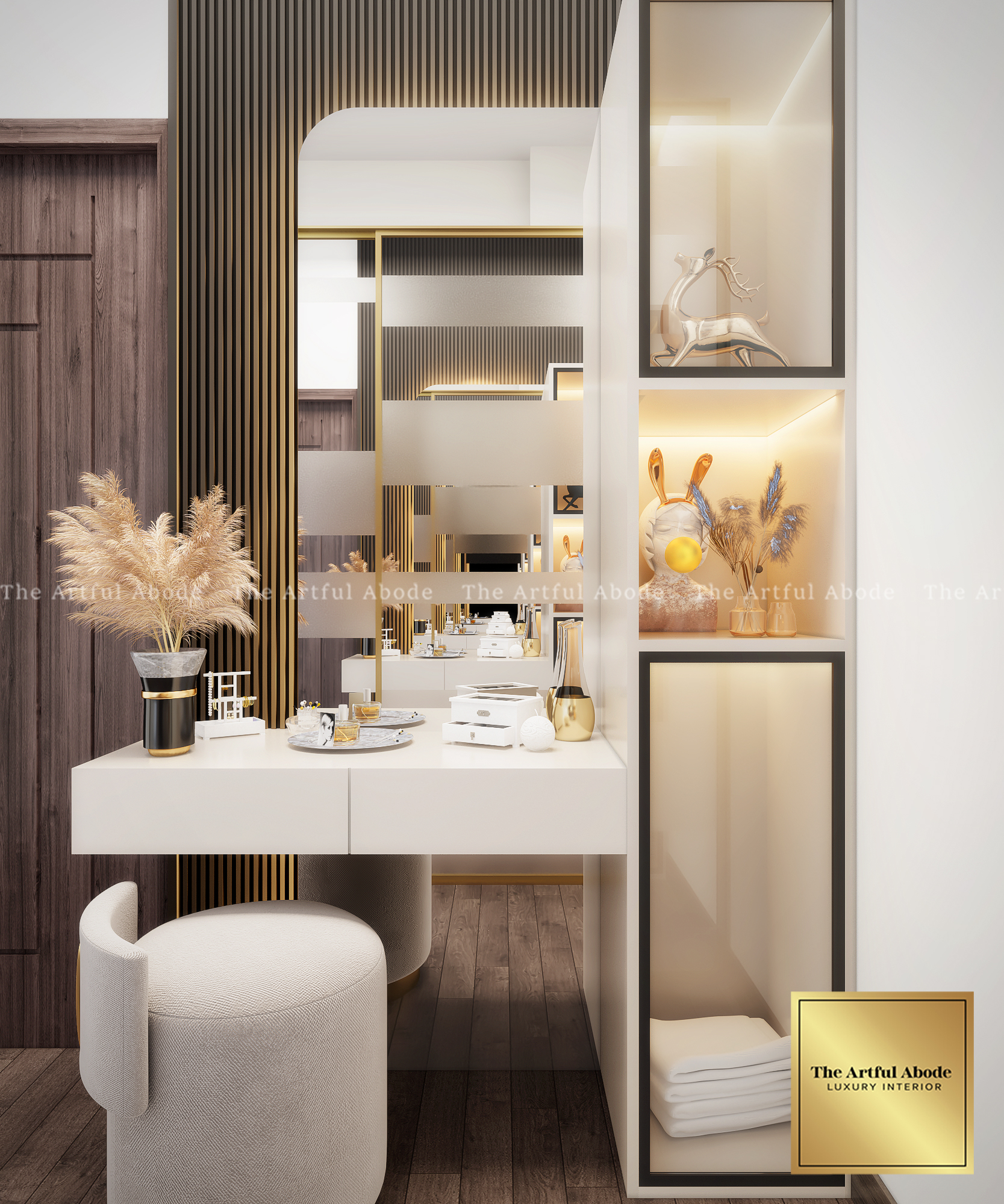
Task lighting is your focused, practical layer. And the one most often done badly.
Bedside lights for reading while your partner sleeps. Kitchen under-cabinet strips so you are not chopping vegetables in shadow. Desk lamps in the home office positioned so video calls do not leave you looking like you are in a noir film. Mirror lighting in the dressing room at the right angle so you are not applying makeup in the dark.
The detail that matters: placement. Your bedside light should illuminate the pages of a book without disturbing the other side of the bed. Kitchen counters need enough brightness for knife work without the harshness that makes cooking feel like a laboratory procedure.
Adjustable fixtures work best here. Morning coffee preparation and dinner cooking require different light levels. Building in that flexibility costs almost nothing and pays back daily for years.
Planning a lighting redesign? The Artful Abode will put together a complete lighting plan — all three layers — before a single fixture is ordered.
Book a Free Consultation
This is what makes people walk into your home and pause.
Picture lights above artwork. LED strips behind a TV unit creating a floating effect. Uplights washing a textured stone wall with warmth. In a Whitefield project, we used accent lighting to transform a pooja room into something genuinely beautiful — dramatic shadows and warm golden highlights making the space feel considered and sacred rather than just functional.
Accent lighting is also where you make the most of the investments you have already made. Spent on a beautiful piece of art? Light it properly and it pays back tenfold visually. A textured feature wall that looks flat under overhead light becomes the room's focal point the moment you add a hidden LED strip along the base.
In our living room projects, we typically use 5 to 7 light sources on dimmers. Because morning coffee and evening drinks need different atmospheres, and a room that can only do one is only doing half its job.
Common Lighting Mistakes to Avoid
One switch controlling all the lights in a room. You have invested in a well-designed space and installed a single switch for everything. Now you are stuck choosing between blazing bright or complete darkness. The flexibility you need to make the room work across morning, afternoon, and evening — gone.
No dimmers. Saving Rs.3,000 by skipping dimmers seems reasonable. Then you live without them. The ability to adjust mood and light level throughout the day is something you miss constantly once you understand what you gave up.
Wrong colour temperature throughout. Cool white (4000K+) in bedrooms and living rooms. It makes the room feel like a workplace rather than a home. Warm white at 2700K throughout living areas. No exceptions.
Ignoring the ceiling. The ceiling is the fifth wall. Lit properly with cove or profile lighting, it makes rooms feel taller and more spacious. In Bangalore's typically compact apartments where perceived height matters, this is not a minor point.
Lighting planned after the false ceiling is done. The electrical points for recessed downlights, cove channels, and pendant drops all need to be roughed in before the ceiling is fixed. Retrofitting afterwards is expensive and almost always involves compromise.
Smart Lighting: When It Is Worth It
For homes already investing Rs.25 lakhs or more in interiors, smart lighting systems add approximately 8 to 12% to the lighting budget. What you get: scenes for different activities, automation that adjusts colour temperature across the day, control from anywhere.
For a client in Whitefield, tunable smart LEDs that adjusted colour temperature automatically throughout the day produced measurable improvements in sleep quality and daytime focus. Warm in the evenings. Cooler and brighter during working hours. Not an expensive outcome for a relatively modest additional investment.
For projects below Rs.15 lakhs or single-room briefs, smart lighting is rarely the priority. Get the three layers right first with standard dimmable fixtures. The foundation matters more than the technology sitting on top of it.
Final Thought
The difference between a space that costs Rs.40 lakhs and feels flat and one that costs Rs.40 lakhs and feels genuinely luxurious is often not the tiles or the sofa.
It is usually how it is lit.
The Artful Abode has completed interior design and lighting projects across Bangalore — Whitefield, Koramangala, HSR Layout, Indiranagar, and surrounding areas. Book a free consultation to see what thoughtful lighting design can do for your home.