

 ChatGPT
 Perplexity
 Google AI
 Grok
Grok Claude
Quick Summary
Vastu basics, practical application in modern Indian homes, and room-wise guidelines that work alongside contemporary interior design.
Key points:
- Vastu Shastra is a traditional Indian system of spatial design. Its principles around orientation, airflow, and light have practical logic alongside their spiritual significance.
- The northeast is the most auspicious direction for the pooja room and for open, light spaces. The southwest suits the master bedroom and heavier furniture.
- Vastu colour recommendations by direction align closely with what works aesthetically. Yellow and green for the living room and northeast spaces. Earthy tones for the south and southwest.
- Most Vastu mistakes in modern apartments are structural: toilets in the northeast, kitchen in the wrong direction. These are hard to fix after construction. Identifying them early allows workarounds.
- You don't need to follow every Vastu guideline strictly for a home to feel good. Applying the directional and colour principles within the constraints of the existing floor plan is the practical approach.
Want room placement tips and Vastu-friendly design ideas? Keep reading.
Designing a Vastu-compliant home in Bangalore? Get in touch with The Artful Abode and we'll work within your floor plan's constraints.
What Is Vastu and Why Does It Matter for Home Design?
Vastu Shastra is an ancient Indian system of architecture and spatial arrangement. It prescribes how a home should be oriented, how rooms should be placed, and how materials, colours, and elements should be used to create spaces that promote health, prosperity, and well-being.
The system is built around the five elements: earth, water, fire, air, and space. Each direction is associated with one of these elements and with specific life areas. Northeast corresponds to water and spiritual energy. Southeast to fire and the kitchen. Southwest to earth and stability, suited to the master bedroom.
The practical reasoning: many Vastu principles align with good environmental design. A northeast entrance brings morning light into the home. A kitchen in the southeast catches afternoon sun, aiding food drying and discouraging moisture. A bedroom in the southwest, away from the entrance, is naturally quieter. The spiritual framework and the practical logic often point in the same direction.
Modern relevance: in contemporary apartments, the floor plan is given. Full Vastu compliance from scratch isn't always possible. The practical approach is to apply Vastu principles where the floor plan allows, and to address clear violations like a toilet in the northeast with remedies rather than structural changes.
What Are the Best Vastu Tips for Home Planning?
Vastu for Home Plans
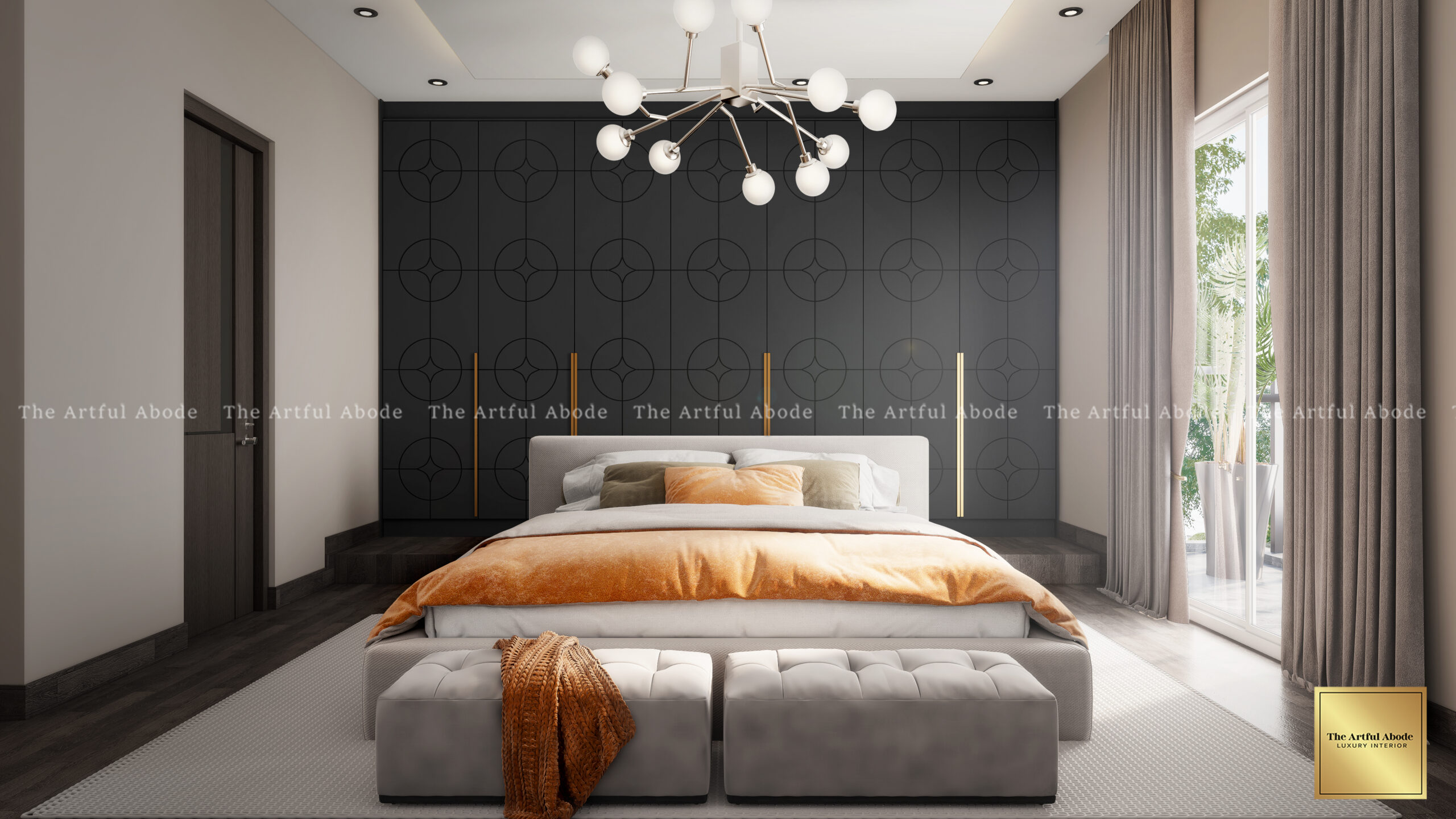
Room placement by direction is the foundation of Vastu home planning. Master bedroom in the southwest or south. Living room in the north or northeast. Kitchen in the southeast. Pooja room in the northeast. Children's bedroom in the northwest or west. Study or home office in the northwest.
These placements work because they align how rooms are used with the qualities each direction brings. The northeast, receiving morning sun and considered spiritually auspicious, suits meditation, study, and worship. The southwest, stable and grounded, suits rest and the master of the home.
In practice, apartment floor plans rarely match this ideal arrangement exactly. The priority is to avoid the most significant violations, toilet in the northeast, kitchen in the northeast or north, master bedroom in the northeast, and to place the key rooms as close to their recommended directions as the floor plan allows.
East Facing Home Vastu
An east-facing home entrance is considered highly auspicious in Vastu. The morning sun enters the home directly, which aligns with the principle that light from the east brings positive energy. The main entrance should ideally be in the northeast quadrant of the east-facing wall. The living room should be positioned to benefit from this morning light. The bedroom should be set back and away from the entrance.
Which Colors Are Best According to Vastu?
Vastu colour guidelines are direction-based. Each direction has associated colours that reinforce the qualities of that space.
Northeast: white, light yellow, light blue. These reflect light and support the spiritual clarity the northeast is associated with. Living room and pooja room walls in pale yellow or white align with both Vastu and contemporary aesthetic sensibility.
Southeast: orange, red, pink. The fire element of the southeast suits warm energising colours. A kitchen in the southeast with warm terracotta or orange tones is Vastu-aligned and aesthetically appropriate.
Southwest: earthy tones, beige, brown, yellow. The master bedroom in the southwest benefits from grounding colours. Warm beige, warm brown, muted ochre. These are precisely the tones that perform well in Indian bedrooms aesthetically, which is no coincidence.
Northwest: white, grey. The northwest, associated with air and movement, suits lighter, cooler tones.
Balancing aesthetics with Vastu: in most cases, Vastu colour recommendations and good design sensibility for Indian homes align. Warm, earthy colours dominate Indian interior design trends precisely because they work in Indian light and suit the materials used. Applying Vastu colour guidance usually leads to the same choices a good designer would make.
What Vastu Plants Should You Keep at Home?
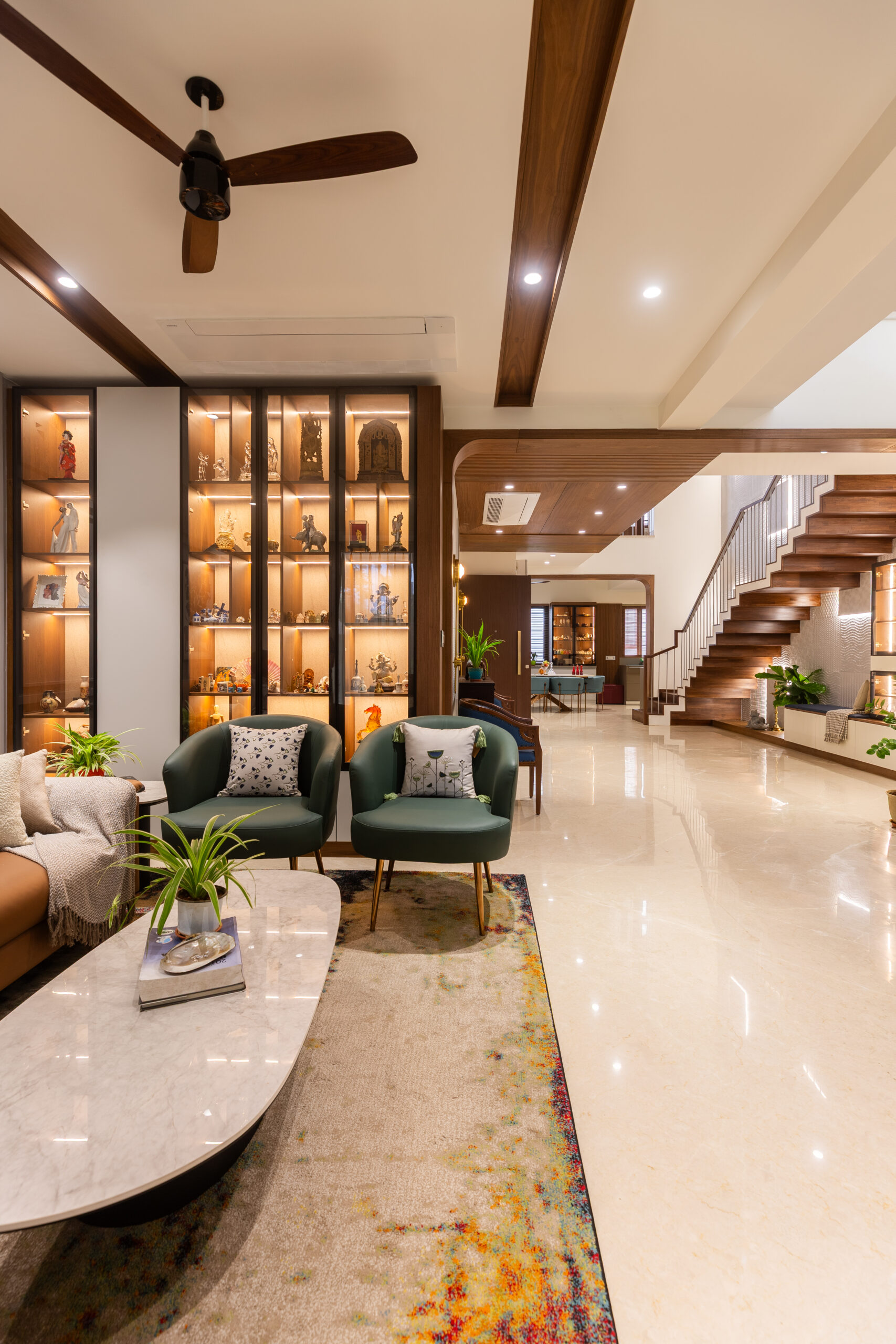
Indoor plants for positive energy according to Vastu: the money plant is the most commonly recommended, placed in the southeast for prosperity. Tulsi (holy basil) in the northeast or near the entrance. Bamboo plants in the east or southeast. Peace lily, snake plant, and jade plant are all considered Vastu-positive and practically beneficial as air-purifying plants.
Placement guidelines: plants should be placed in the north, northeast, or east where possible. Cactus and thorny plants are generally avoided indoors in Vastu practice, as they are considered to create negative energy. Large plants in the southwest or south of the home are acceptable as they represent the earth element.
Plants to avoid: dried flowers and dying plants. Vastu emphasises living plants. A dying plant in the northeast is considered more negative than no plant at all. Replace plants before they decline rather than keeping them for appearance.
How to Apply Vastu for Home Entrance?
The main entrance is where energy enters the home in Vastu. It should be well-lit, unobstructed, and clearly defined. A threshold step, a nameplate, and good lighting at the entrance are all considered Vastu-positive and are also basic good design practice.
Main entrance direction: north, northeast, or east-facing entrances are considered most auspicious. South-facing entrances are traditionally less favoured but can be remedied with specific design choices.
Doorway design: a solid, substantial door is preferred over a hollow or flimsy one. The door should open fully without obstruction. Mirrors directly facing the entrance are avoided in Vastu as they are believed to reflect energy back out of the home. For entrance design ideas, see our entrance design guide.
What Vastu Items and Paintings Bring Good Luck?
Vastu Items for Home
Symbols and decorative items considered Vastu-positive: the swastika symbol at the entrance. A Ganesha idol at the main door or in the pooja room. Wind chimes in the northwest. A water feature or aquarium in the northeast. Brass and copper items in the southeast, aligned with the fire element.
Paintings and artwork: Vastu recommends paintings that depict positive, life-affirming subjects. Flowing water, sunrise, horses in motion, lotus flowers. Paintings depicting war, suffering, or decline are considered negative. Abstract art is considered neutral in Vastu.
Mirrors and their positioning: mirrors should not face the bed, the main entrance, or the pooja room directly. Mirrors on the north and east walls are considered positive as they reflect and amplify the beneficial energies of those directions. A mirror in the dressing room or at the wardrobe end panel is the standard and acceptable placement.
Vastu Tips for Different Rooms
Bedroom Vastu Guidelines
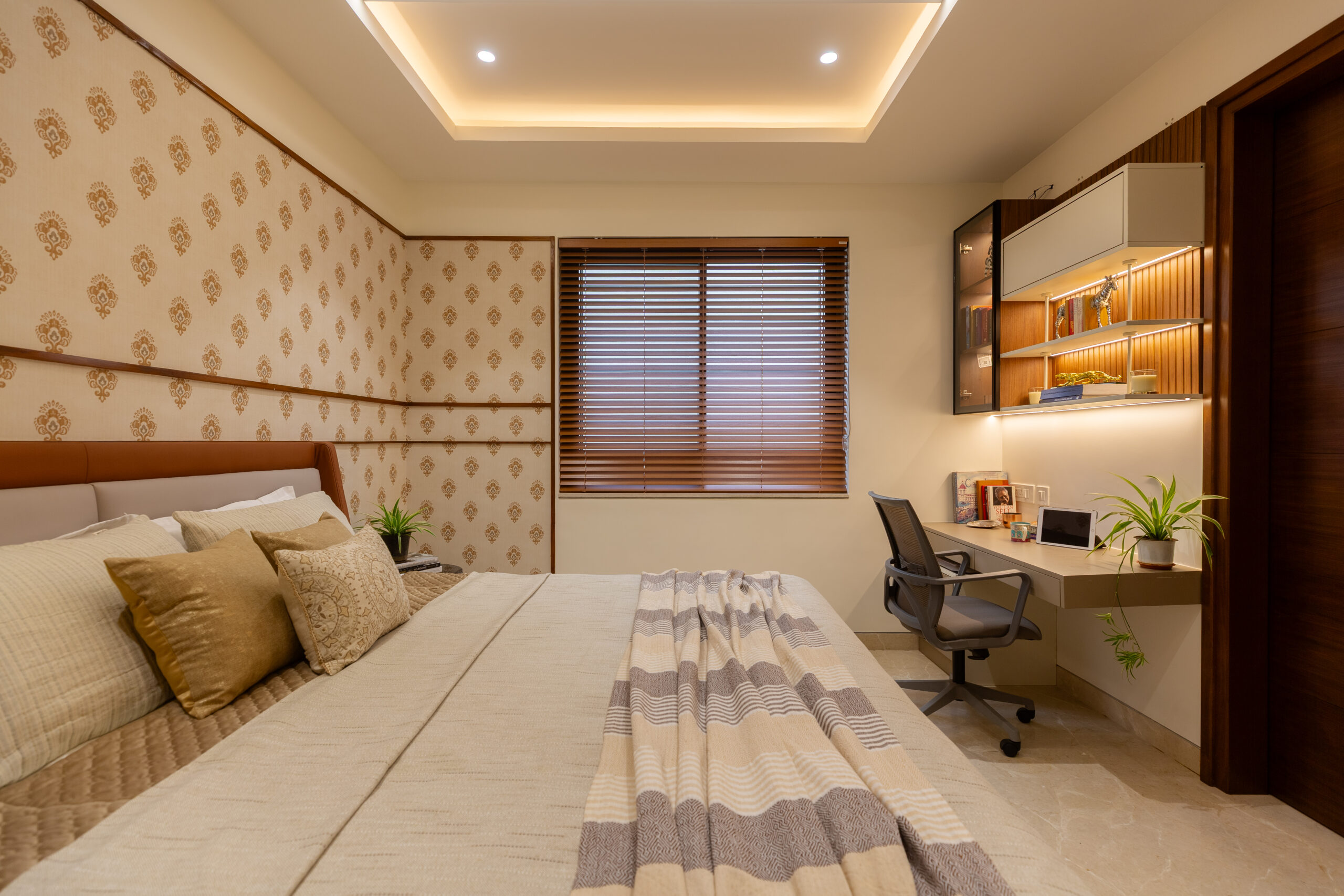
Master bedroom in the southwest. Head of the household sleeps with head pointing south or west. Never with head pointing north, which is considered the direction of the dead in Vastu. Bed should not be placed under a beam. Mirrors should not face the bed. Warm, earthy colours on the walls. No clutter under the bed where possible. For bedroom interior design planning, see our bedroom interior design guide.
Kitchen Placement
Southeast is the ideal. The stove should be positioned so the cook faces east. The water source, sink, should be on the northeast side of the kitchen. Fire and water elements should not be directly adjacent.
Pooja Room Location
Northeast is the most auspicious placement. The deity should face west, so the worshipper faces east during prayers. Never place the pooja room under a staircase or adjacent to a toilet wall. For full pooja room design guidance, see our pooja room design guide.
Bathroom Positioning
The bathroom is ideally in the northwest or west. Not in the northeast, which is the most significant Vastu violation in modern apartments. Not in the southeast, which is the fire direction.
Common Vastu Mistakes in Modern Homes
Toilet in the northeast: the most common and most significant Vastu violation in modern Bangalore apartments. Many apartment layouts place a bathroom in the northeast for plumbing convenience. Vastu remedies include using lighter colours, keeping the space immaculately clean, and placing a salt bowl in the corner.
Kitchen in the wrong direction: a kitchen in the northeast or north is considered inauspicious because the fire element conflicts with the water and spiritual energy of those directions. If this is unavoidable in an existing flat, keeping the space well-ventilated and using Vastu remedies on the stove direction partially addresses it.
Bedroom placement issues: a bedroom in the northeast is considered problematic for the head of the household. A bedroom directly above the pooja room is also avoided. In apartments where these violations exist, remedies focus on the bedroom's internal arrangement rather than structural change.
Practical workarounds for existing apartments: Vastu remedies for structural violations use specific colours, symbols, plants, and spatial arrangements to mitigate the effects. These won't fully correct a significant directional violation, but they address the spiritual concern without requiring renovation. The priority should be to get the key placements right, pooja room, master bedroom, main entrance, and apply remedies to unavoidable violations in less significant spaces.
Designing a Vastu-Compliant Home?
At The Artful Abode, we design homes across Bangalore 2BHK and 3BHK apartments. We work within your floor plan's existing constraints to apply Vastu principles wherever they're possible and practical. Get in touch and let's plan it properly.