
1Sculptural Furniture: Where Art Meets Function
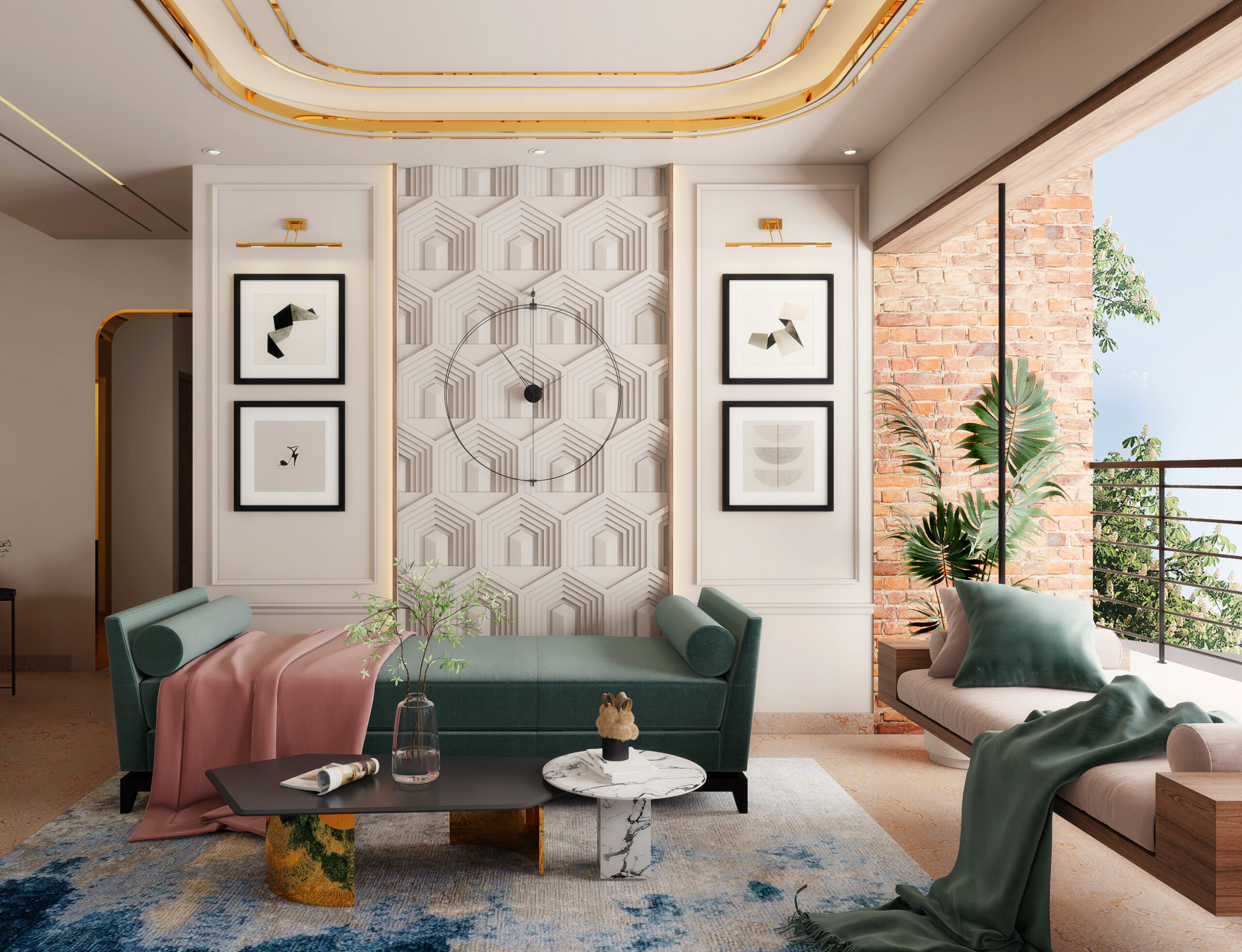
In 2025, many luxury homes are using furniture as pieces of art. Curved and smooth designs can make your living room interior design look like a gallery, while still keeping it cozy and comfortable. This works for luxury homes because special sculptural furniture is more than just seating; it often grows in value over time and creates a unique, un-copyable look that gives your home a signature style. To implement this trend, start small with one statement piece, like a a curved dining table in the living room or a custom headboard in the master bedroom. Using rich materials like walnut wood or natural stone will ensure the piece feels timeless and luxurious.
2Sophisticated Earth Tones: The New Luxury Palette
Plain white minimalism is out. In 2025, the most beautiful homes use warm earth colors that feel stylish and welcoming at the same time. These tones create a calm and inviting mood that makes homes feel more comfortable while still looking high-end. Research even shows these shades can increase property appeal among wealthy buyers. They also bring a timeless quality, ensuring your home doesn't look outdated in a few years. For best results, always test these shades in different lighting before making a final choice they can look very different during the day and at night.
3The New Maximalist: Curated Abundance
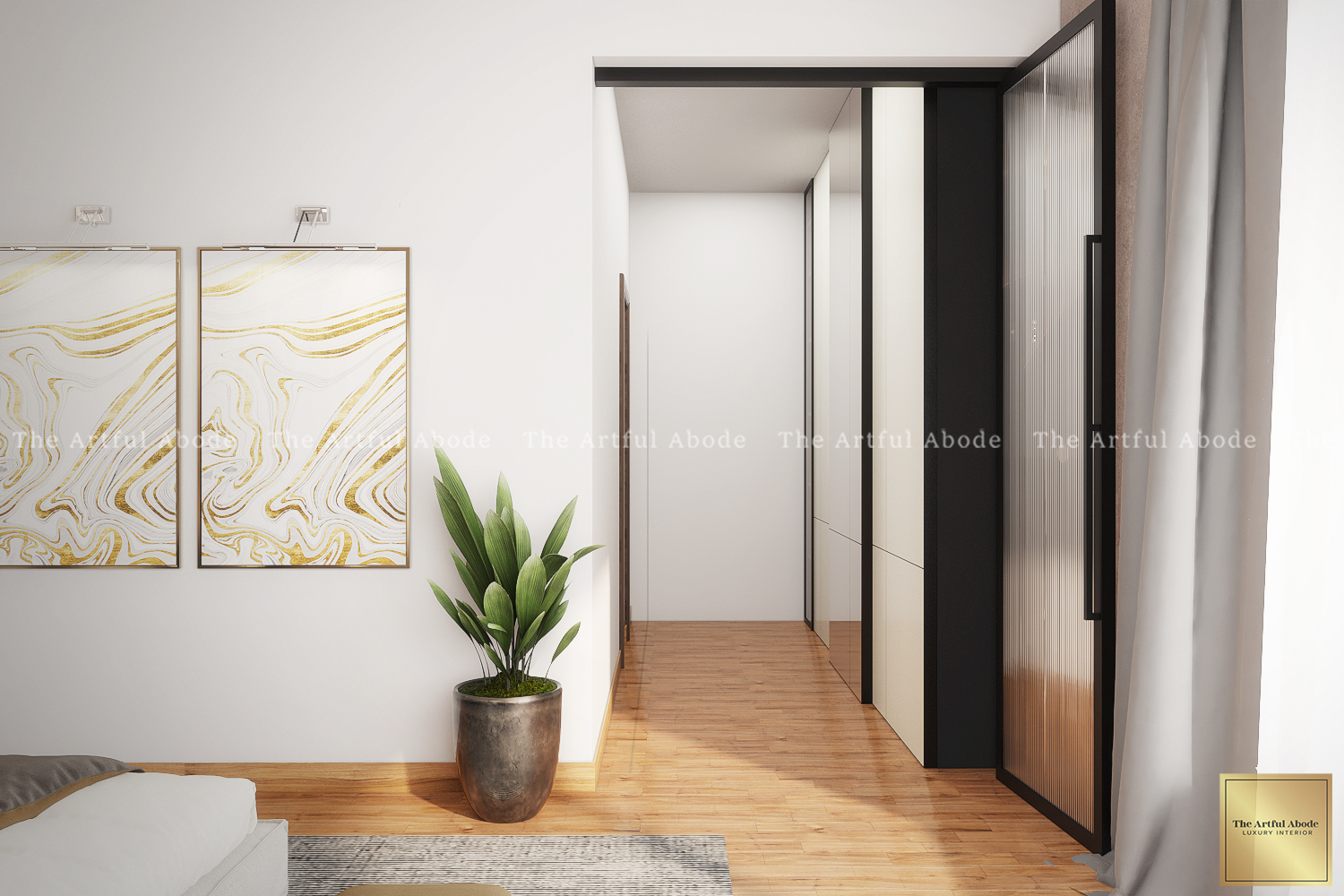
Sophisticated young homeowners are moving beyond minimalism and choosing a more curated style that mixes quality pieces to tell their personal story. Layering old and new creates depth and meaning, making rooms feel unique and cultured. This approach adds character, shows personal history, and often increases the long-term value of the home. Start small with one special vintage piece paired with modern basics, or for luxury homes, combine rare textiles, heirlooms, and curated collections to create rooms that feel like museum-quality showcases.
4Multi-Functional Luxury: Intelligent Adaptability
Modern luxury homes need furniture that not only looks elegant but also fits today's fast lifestyle. Studies show that multi-functional furniture can increase usable living space by up to 30%, making rooms feel bigger and more practical. The best pieces combine smart design, precision engineering, and beauty, giving you more value and flexibility. Explore our Living Room Designs portfolio to see how adaptable furniture keeps luxury seamless without losing elegance.
5Biophilic Luxury: Nature as Ultimate Sophification
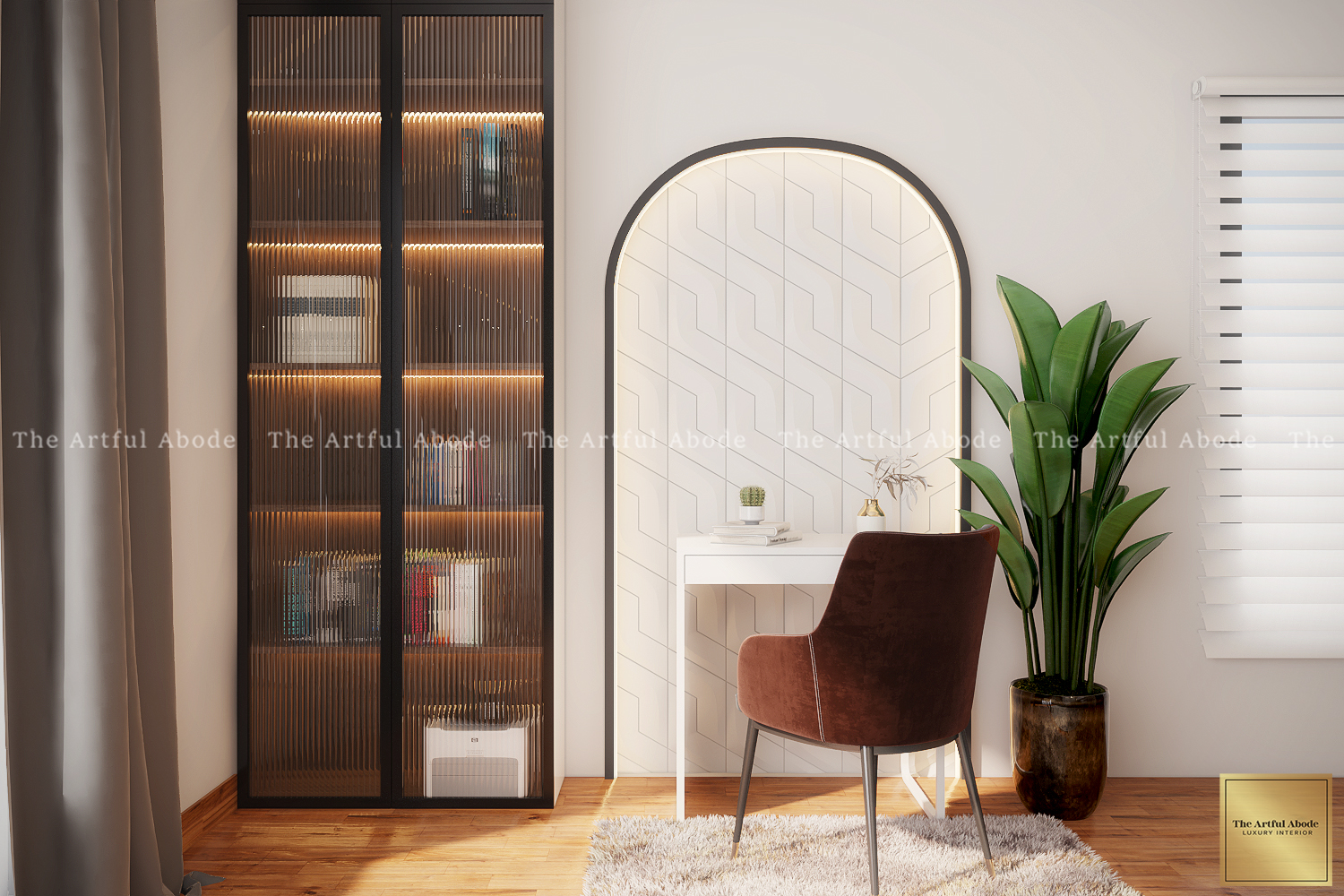
The future of design in 2025 takes biophilic principles far beyond adding a few plants it's about creating full environments that improve health, mood, and overall well-being. Research from Harvard Health Publishing shows that advanced biophilic design can reduce stress by 15%, improve sleep by 20%, and even boost productivity by 25%. For luxury homeowners, this means a home that doesn't just look beautiful, it actively supports better living every single day. Think of adding living plant walls, calming water elements, or smart circadian lighting that shifts with the day to create a serene, spa-like retreat for deep, restorative sleep.
6Statement Ceilings: The Fifth Wall Revolution
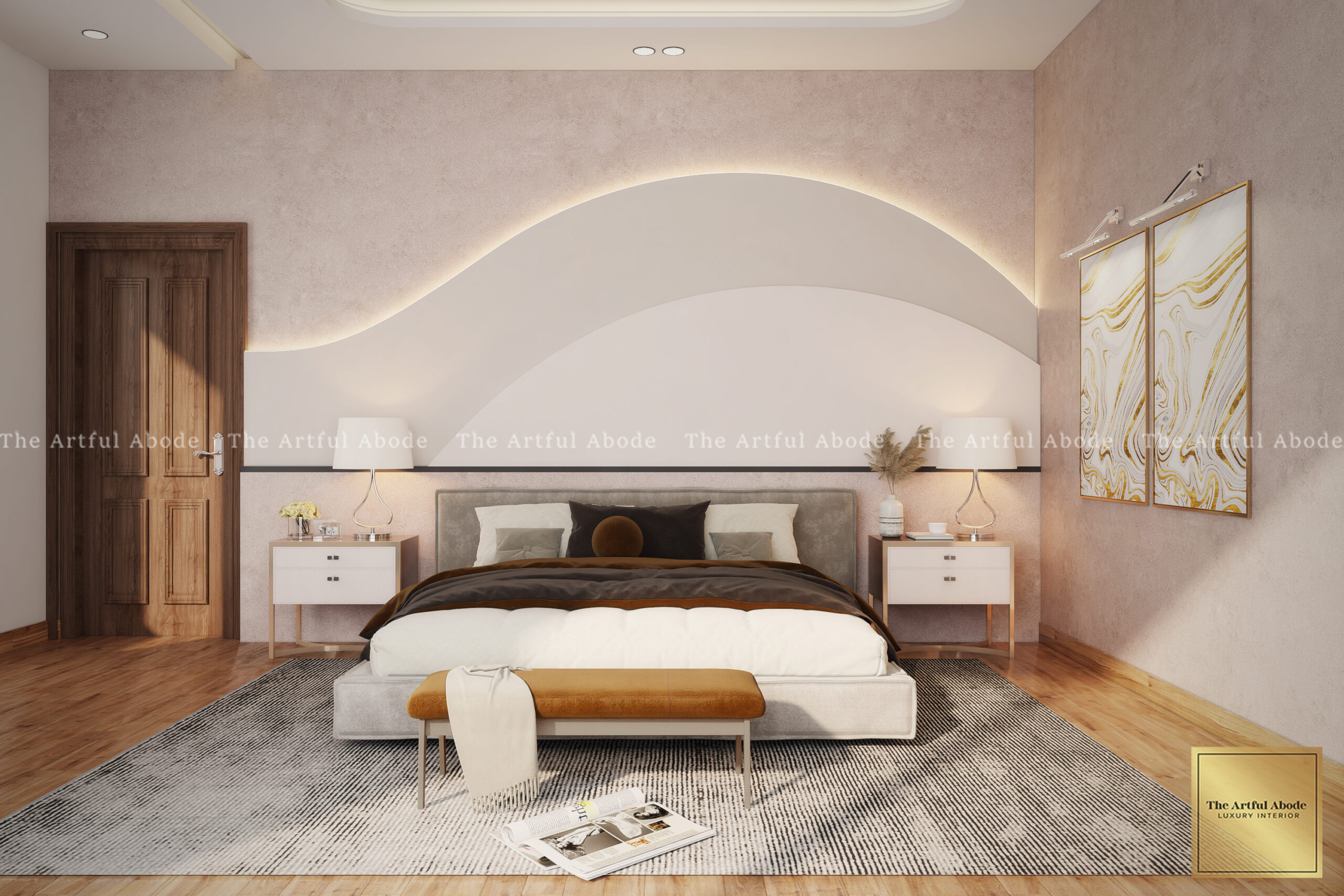
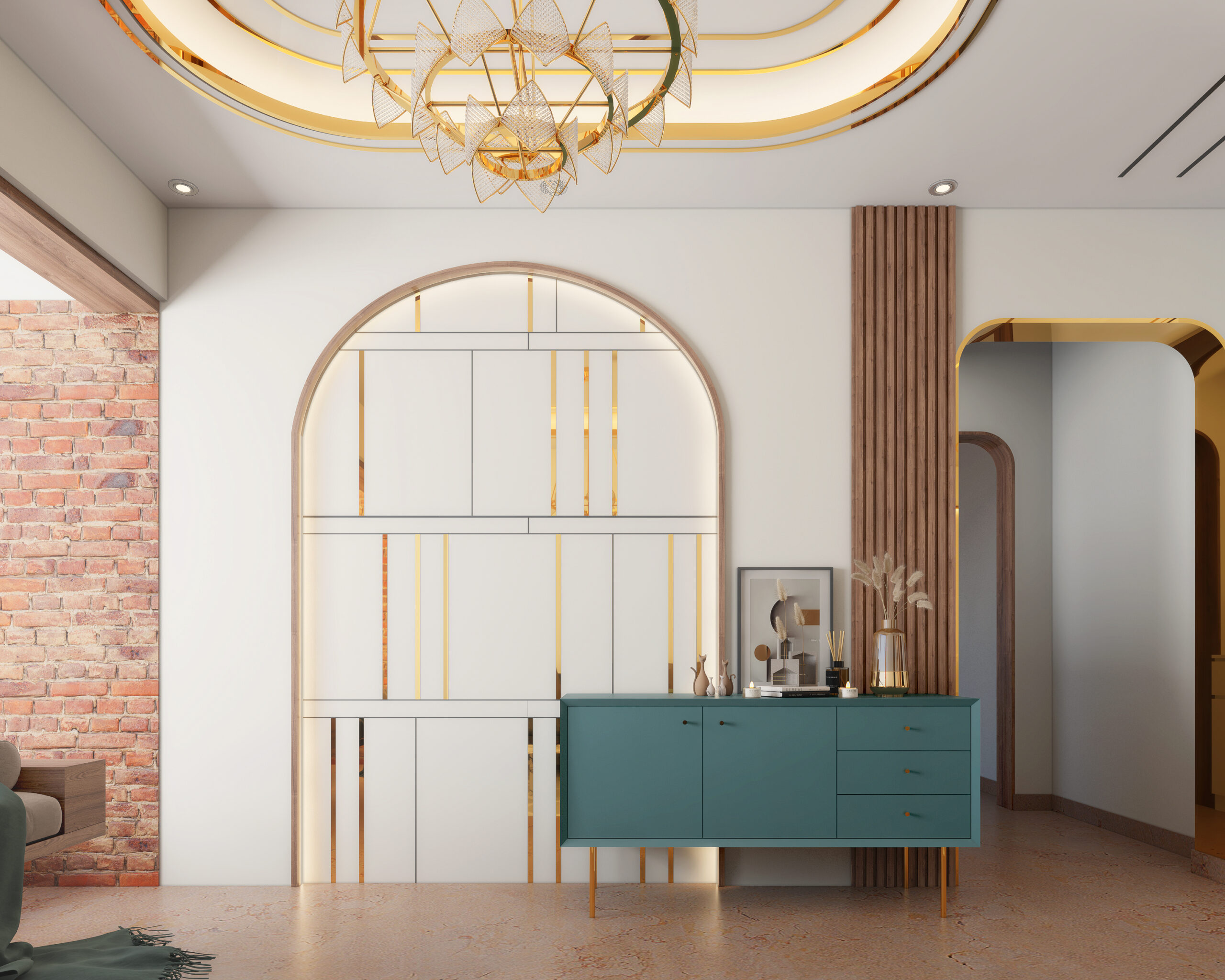
In 2025, ceilings are no longer an afterthought they're becoming the true highlight of luxury interiors. They instantly change how a room feels, creating a sense of height, elegance, and exclusivity by turning unused design space into a powerful feature. To achieve this, choose coffered ceilings in rich woods, metallic finishes, or textured plaster that reflects light beautifully. Integrated lighting systems can make ceilings glow and set the mood, creating intimacy and grandeur without overwhelming the space. Explore our Bedroom Designs portfolio to see how statement ceilings can transform any room.
7Artisan Craftsmanship: The Human Touch
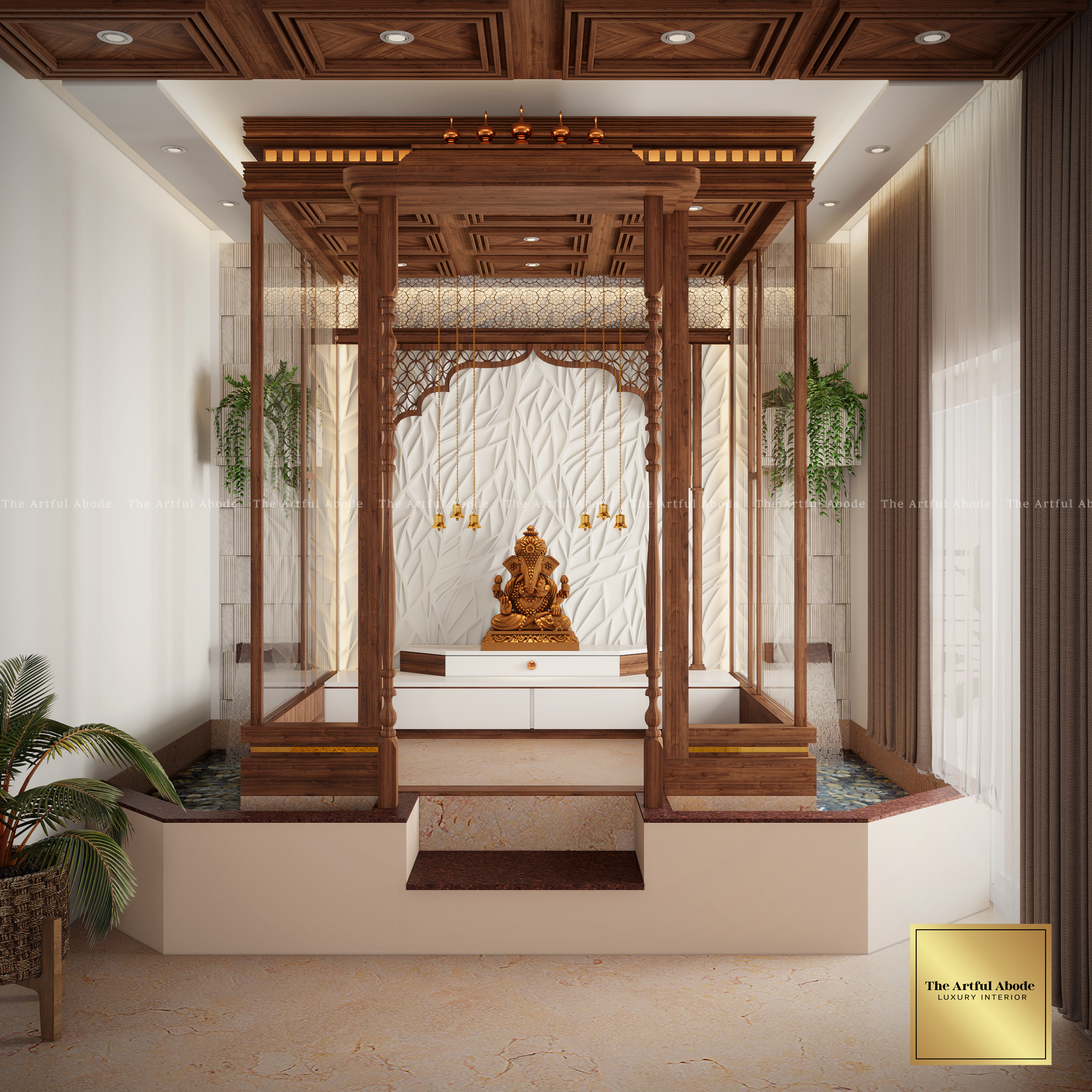
In today's automated world, true luxury is found in handmade craftsmanship. These pieces don't just decorate a home they carry stories, culture, and a personal touch that machines can never replace. Unlike mass-produced items, they hold emotional and cultural value while often appreciating in worth over time. Bring in hand-woven textiles, artisan ceramics, or bespoke furniture made with traditional techniques. These touches work especially well in sacred areas our Pooja Unit Designs blend spiritual meaning with timeless craftsmanship for spaces that feel both divine and luxurious.
8Intelligent Lighting: Beyond Simple Illumination
Sophisticated lighting design creates homes that adapt to daily life while keeping the warmth that defines true luxury. It sets the mood, highlights key design elements, and lets spaces feel cozy or lively. Install tunable LED systems that change color and brightness throughout the day. Add sculptural light fixtures that serve as art even when they're off. For living room interior design, this approach ensures spaces transition smoothly from productivity to comfort to social gatherings. Explore more ideas at Interior Design Trends 2025 - Decorilla.
9Vintage Integration: Temporal Layering Mastery

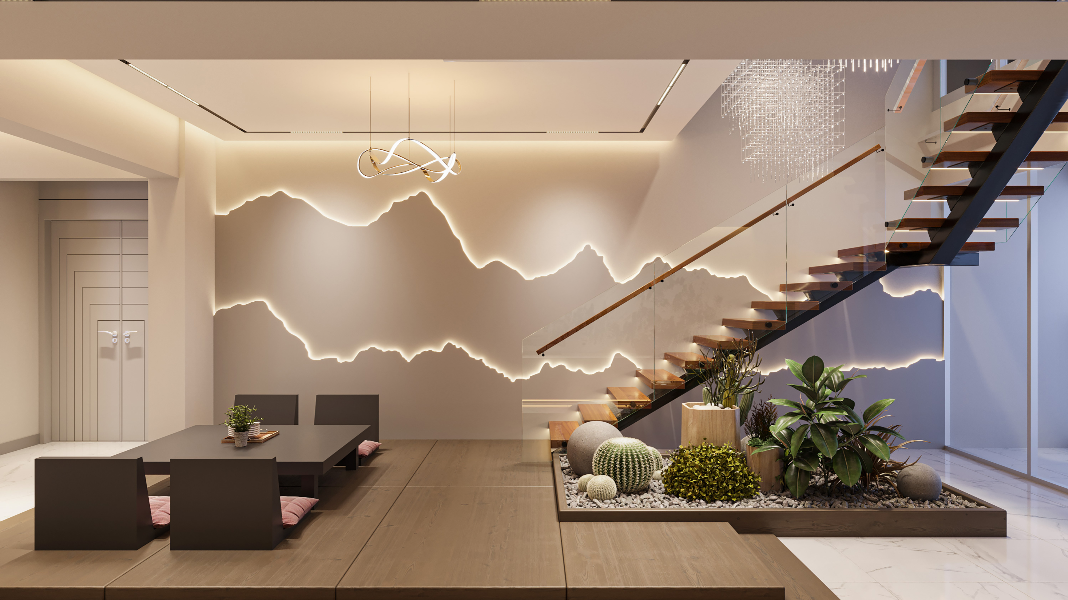
The most sophisticated interiors gain character by mixing vintage pieces with modern design. This isn't about recreating old-style rooms it's about adding history and uniqueness that mass-produced furniture can't offer. Vintage elements give rooms depth and personality, reflecting personal taste and creating a sense of authenticity. To implement this, use statement vintage pieces as anchors for each room, pair old and new items to enhance each other, and incorporate family heirlooms to honor personal history.
10Conscious Luxury: Sustainability as Status
Today's most discerning homeowners know that true luxury combines beauty with sustainability. Choosing eco-friendly materials often means better quality and unique character, hallmarks of genuine luxury. Sustainable materials add lasting value and exclusivity, bringing authenticity, durability, and a sense of responsibility. For high-budget interior design projects (₹50–60 lakhs), these sustainable choices often provide the finest materials and craftsmanship that mass-produced products cannot match. Use reclaimed wood with natural character, low-impact textiles, and locally sourced materials to support regional craftspeople.