


 ChatGPT
 Perplexity
 Google AI
 Grok
Grok Claude
The promise sounds good. Upload a photo, click a button, watch AI generate your dream kitchen in seconds. After 12 years of doing this work, I keep seeing the same pattern: clients come to us after trying these tools, frustrated that the results look "fine" but feel like they belong to someone else entirely. Algorithms can crunch millions of images. What they cannot do is understand why your grandmother's trunk matters, or why you insist on an east-facing kitchen for that morning chai.
Quick Summary
- AI tools are genuinely useful for mood boards and early direction-finding — not for final decisions
- They miss cultural context badly — pooja rooms removed for "flow", dining tables sized for four in homes that host fifteen
- They do not know which materials survive Bangalore's humidity across multiple monsoons
- They generate Rs.50 lakh kitchen designs without mentioning the price
- They cannot mediate when a couple wants completely different things — which is almost every couple
- Use AI for inspiration. Use a designer for execution.
Keep reading for the full breakdown.
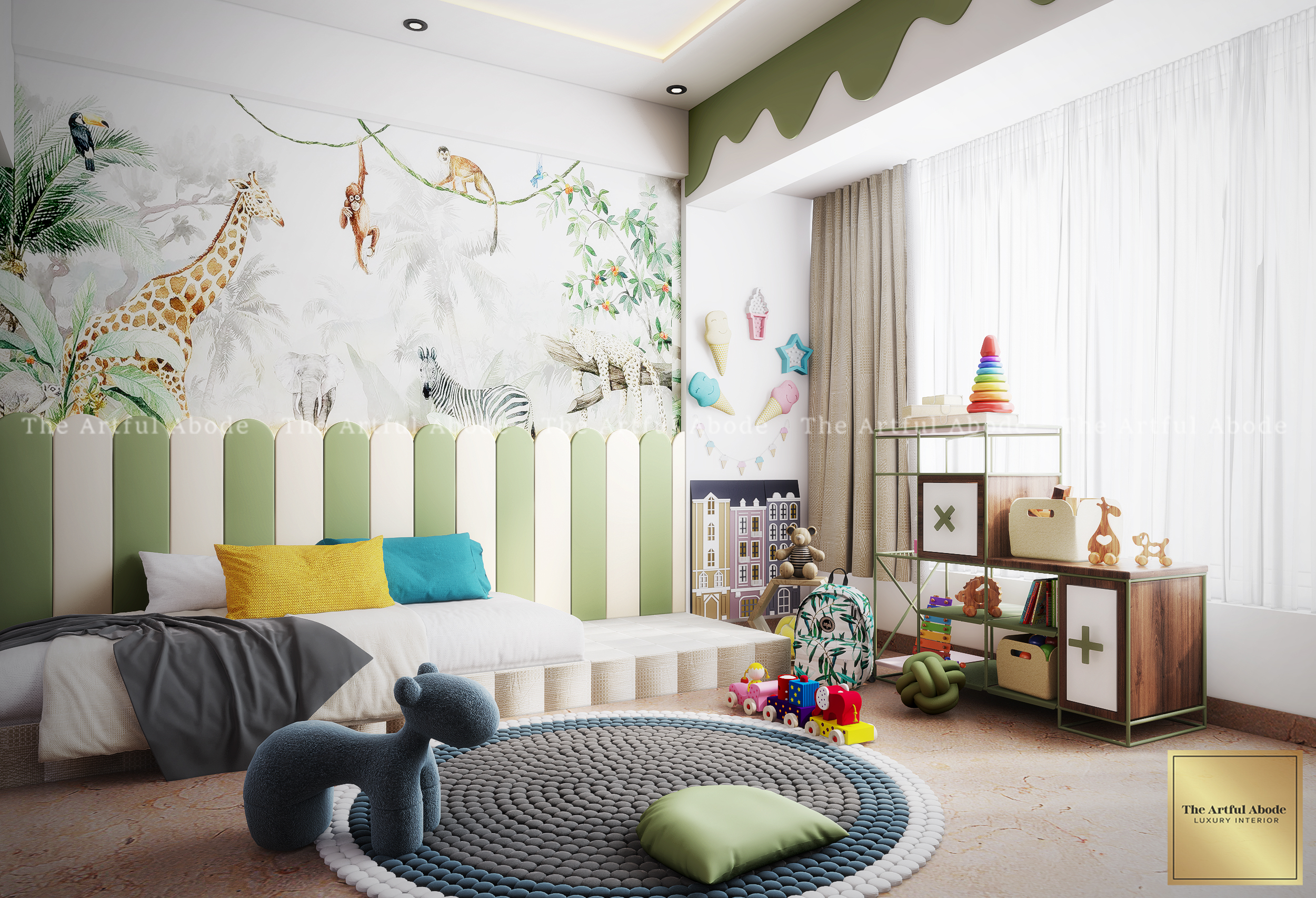
AI spots Pinterest trends faster than any human. Ask it why you are drawn to a particular shade of blue and it has no answer — it does not know those tones remind you of the coastal cafe where you met your spouse.
An algorithm gives you a bedroom layout based on what has worked statistically across millions of images. Standard furniture placement. Trending palettes. Arrangements that photograph well.
What it misses: your WFH desk needs task lighting for video calls. The afternoon sun floods your room around 4pm — gorgeous, but creates screen glare. You are a light sleeper who needs quiet but cannot stand waking to an alarm.
These details come out in conversation. The right questions. The kind of back-and-forth that takes two hours and shapes every decision that follows. No algorithm does that.
For more on how design decisions are made with Indian living patterns in mind, see our interior design principles guide.
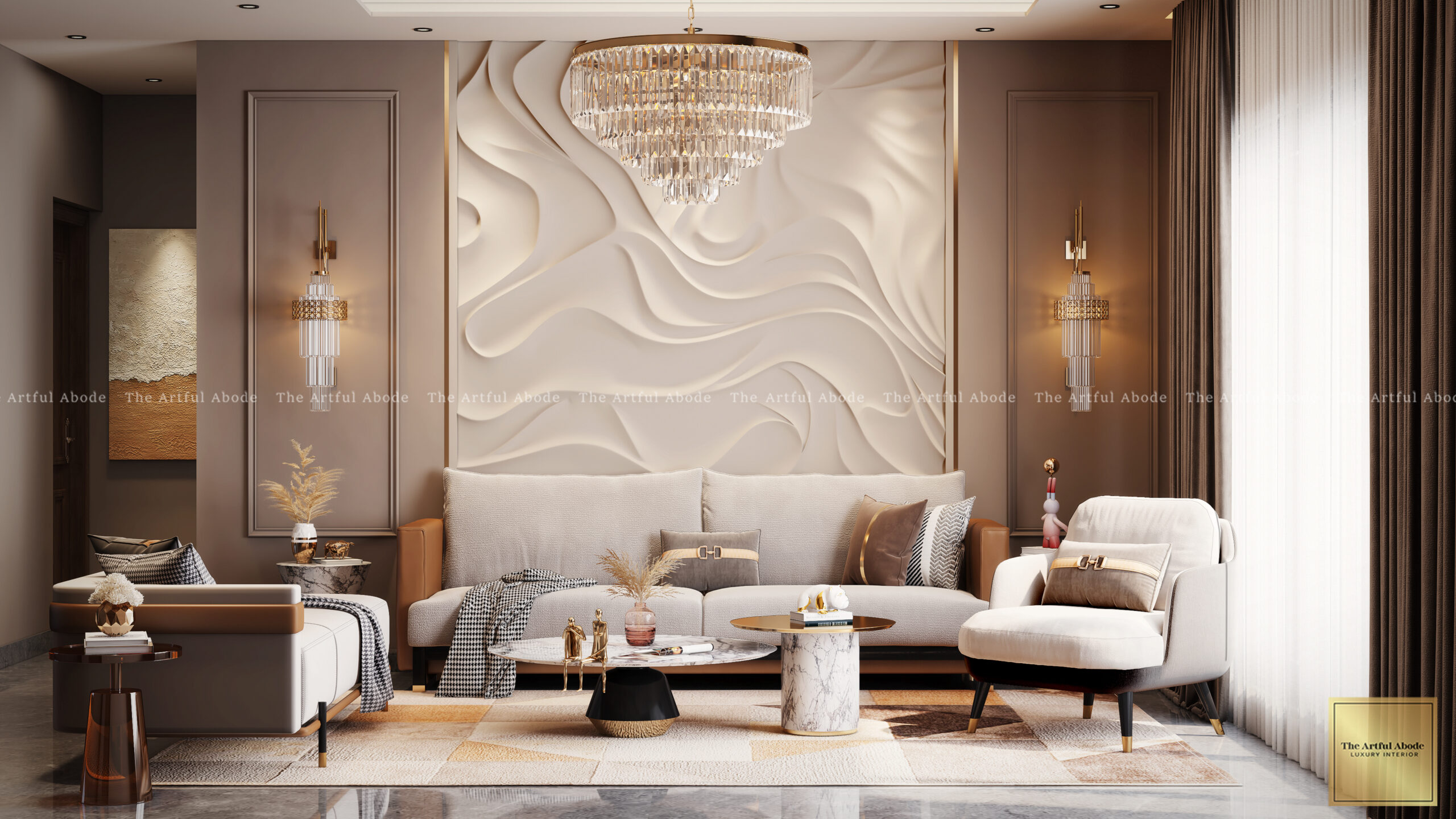
This is where AI fumbles Indian living badly. Most of these tools were trained on Western interiors. The suggestions photograph well and feel wrong the moment you try to live in them.
I have seen AI tools recommend removing pooja rooms for "better flow." Try telling that to families where morning prayers are not optional. Or suggest compact dining tables in homes where Sunday lunch means fifteen people, minimum.
What does luxury actually mean in a Bangalore home? A kitchen that handles your espresso machine and your pressure cooker without either feeling out of place. Living rooms that work for a client meeting at 3pm and chai with neighbours at 6pm. Interior design for Indian homes is not about importing Milan or Manhattan wholesale. It is about filtering global ideas through how we actually gather, celebrate, host.
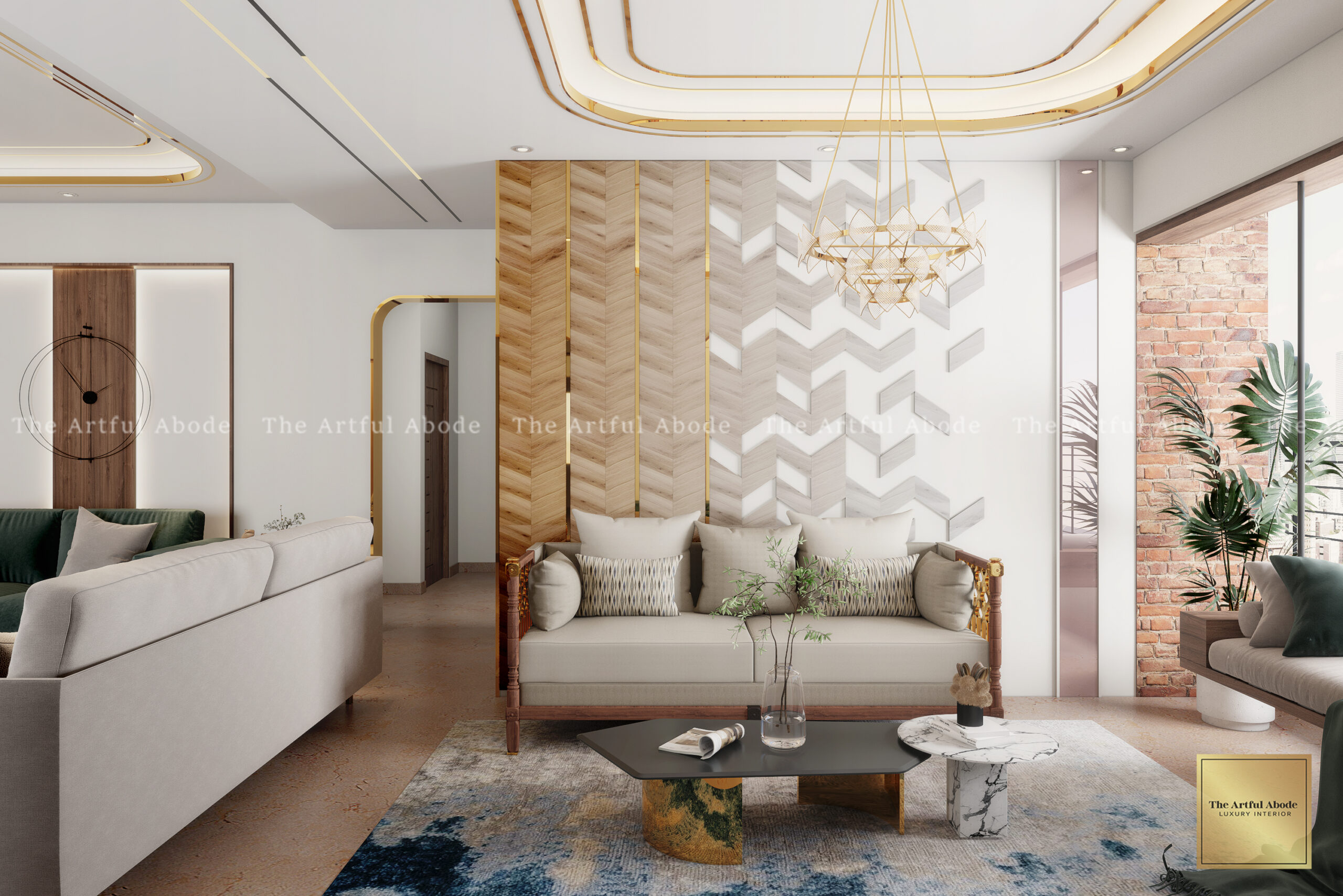
AI renders look flawless. Perfect lighting, ideal textures. Real materials? Different story.
Bangalore's humidity warps certain wood finishes within months. White marble, which AI loves suggesting for bathrooms, shows every watermark in a humid climate. Linen fabric that looks beautiful in a render fades near west-facing windows faster than you would expect.
We have spent over a decade learning which materials survive Bangalore's conditions. The light upholstery an AI recommends for your living room gets swapped for performance fabrics that look identical but handle kids, pets, and actual daily use without showing wear within a year. This is not knowledge you can download. It comes from doing the work and seeing what fails.
Curious what a professional design process actually looks like — from brief to handover? The Artful Abode works with homeowners across Bangalore. Book a free consultation and we will show you.
Book a Free Consultation
AI generates Rs.50 lakh kitchen designs without mentioning the price. Or it suggests budget alternatives that look nothing like the render once actually installed.
Value engineering is something algorithms simply cannot do. Local stone can look exactly like imported marble — you save Rs.3 lakhs and get the same aesthetic. But AI does not know Bangalore contractor rates, which suppliers deliver on their promises, or which ones take deposits and disappear.
When we quote Rs.25 to Rs.40 lakhs for a luxury 3BHK project, that is the real number. Materials, skilled labour, oversight, 10-year warranty, all in. We know where money makes impact. That statement light fixture in your entryway? Worth every rupee. Large marble surfaces throughout every room? Locally sourced stone works better and costs less.
A structural beam appears exactly where the plans showed open space. Plumbing pipes run precisely where you wanted cabinetry. Your chosen light fixture gets discontinued three weeks before installation.
AI creates designs assuming perfect conditions. When reality hits, you are left with a static render and no one to solve the problem.
We have seen every structural quirk Bangalore buildings can produce. That inconvenient column ruining the layout? We have turned dozens of them into design features — creative lighting, built-in shelving, details that make people think it was always planned that way. When challenges appear mid-project, we are on site making decisions. Not sending revised renders.
Curious what a professional design process actually looks like? See our guide to the 5 interior design stages.
Couples rarely want the same thing. He wants minimalist. She loves maximalist. AI forces you to pick. Real design happens in those messy conversations between opposing preferences.
We play mediator constantly. And often the disagreement is not really about minimalist versus maximalist — dig into it and it is about one person wanting visual calm while the other wants personality. Completely different problem. Different solution.
A recent project: husband wanted sleek and modern, wife treasured traditional touches. AI would have made them choose. We found the middle — contemporary lines with subtle brass inlay work, modern furniture with handwoven textile cushions. Both felt heard. Neither actually compromised.
Where AI Interior Design Tools Actually Help
To be clear: we are not against these tools. We use them ourselves for early concept exploration and quick mood boards.
But there is a clear line. AI renders are sketches, not solutions. GPS gets you to an address. It does not tell you whether you will want to live there.
- Use AI for inspiration and early direction-finding — warm tones vs cool, open layouts vs defined spaces, contemporary vs traditional
- Use those outputs as a brief for a professional — not as a design plan
- AI is fast for testing whether an idea works visually before investing time in it
- Never use an AI render as a specification for contractors or procurement
Use AI for inspiration. Use a designer for execution. The two are not competing — they are different stages of the same process.
What Good Interior Design Actually Requires
Making spaces that genuinely improve daily life needs things algorithms do not have:
Reading emotional cues and the needs people do not directly express. Understanding how Bangalore families actually live across a week, not just how a room photographs. Technical knowledge about structure, safety, and building codes. Knowing which materials survive the local climate across multiple seasons. The aesthetic judgment that makes a room feel balanced rather than merely correct.
These are not skills you download. They come from years of working in specific places with specific people.
The Artful Abode has completed projects across Bangalore — Whitefield, Koramangala, HSR Layout, Indiranagar, Jayanagar, and surrounding areas. Book a free consultation and let us show you what your space can actually become.